
A backyard breeder operates without regulation, prioritizing profit over animal welfare. They produce multiple litters annually without health testing, genetic screening, or veterinary documentation. These operators skip pre-adoption screening, provide no health guarantees, and avoid accountability measures. Their dogs often face stunted growth, infectious diseases, parasites, and behavioral problems stemming from inadequate socialization. Understanding their practices—and the documented consequences—reveals why responsible breeding standards exist.
What Defines a Backyard Breeder
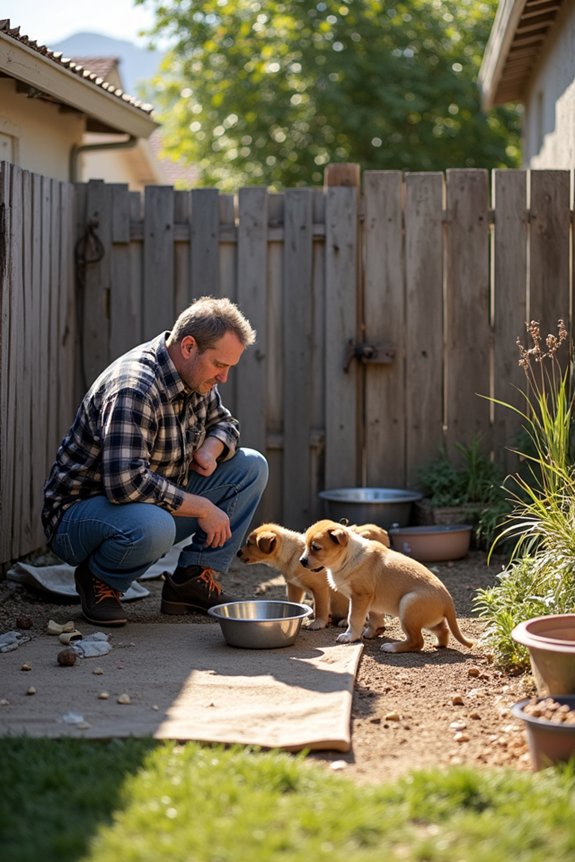
How do we distinguish backyard breeders from responsible breeding operations? Backyard breeding prioritizes profit over established breeding standards and animal welfare. These breeders neglect the mother and offspring’s special needs, failing to meet acceptable care standards.
Key indicators of backyard breeding include year-round puppy availability, absence of pre-screening processes, and lack of adoption screening or guarantees. Responsible breeders, by contrast, limit litters to actual demand and pre-arrange homes before breeding occurs.
Backyard breeders produce surplus puppies without regard for placement outcomes. They don’t implement return guarantees or ongoing support. This operational model creates significant welfare risks. You’ll notice they offer no health documentation, breeding history, or accountability measures that distinguish legitimate operations from exploitative ones.
Red Flags: How to Spot a Backyard Breeder
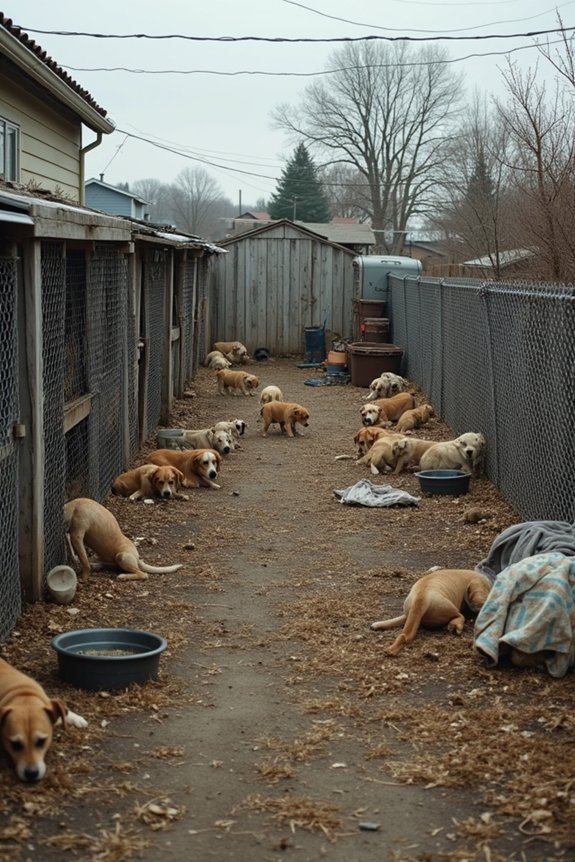
What separates legitimate breeders from those operating irresponsibly? Backyard breeders display unmistakable warning signs you should recognize. I’ve identified key indicators that reveal their practices.
| Red Flag | Legitimate Breeder Alternative |
|---|---|
| Year-round puppy availability | Waiting lists and planned litters |
| No health clearances provided | Documented genetic testing results |
| Off-site meetings or hidden locations | Transparent home visits allowed |
| Minimal buyer screening | Thorough adopter questionnaires required |
Backyard breeders rarely implement adopter screening processes. They’ll sell puppies to anyone without assessment. You won’t find vaccination records or genetic testing documentation. These operations discard breeding mothers once they’re no longer profitable. The absence of waiting lists indicates overproduction without demand consideration. Undisclosed locations prevent you from observing facility conditions. These indicators collectively signal irresponsible breeding practices that prioritize profit over animal welfare.
Health Problems Backyard-Bred Dogs Face
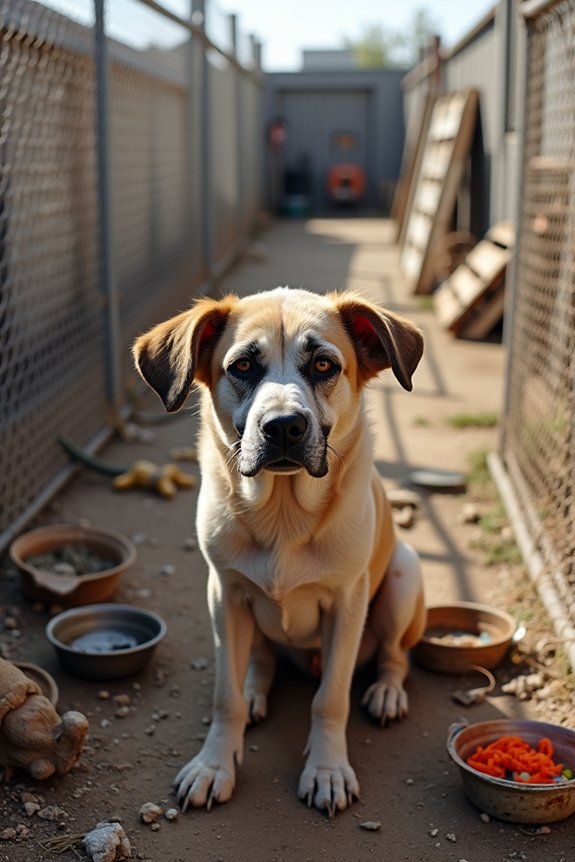
Because backyard breeders prioritize profit over animal welfare, the dogs they produce commonly experience notable health complications throughout their lives. You’ll likely encounter puppies suffering from inadequate nutrition, resulting in stunted growth and compromised physical development. These dogs face elevated risk for infectious diseases including kennel cough and parvovirus due to insufficient vaccination protocols and poor hygiene standards.
Parasite infestations—fleas and intestinal worms—occur frequently, creating additional health issues and potential zoonotic transmission to your household. Early weaning and unsupervised socialization often trigger behavioral problems alongside developmental concerns.
The cumulative effect of these factors demands costly, recurring veterinary interventions throughout your dog’s lifetime. Understanding these health complications helps you recognize why responsible breeding practices matter substantially for your future pet’s wellbeing.
Behavioral Issues and Long-Term Consequences
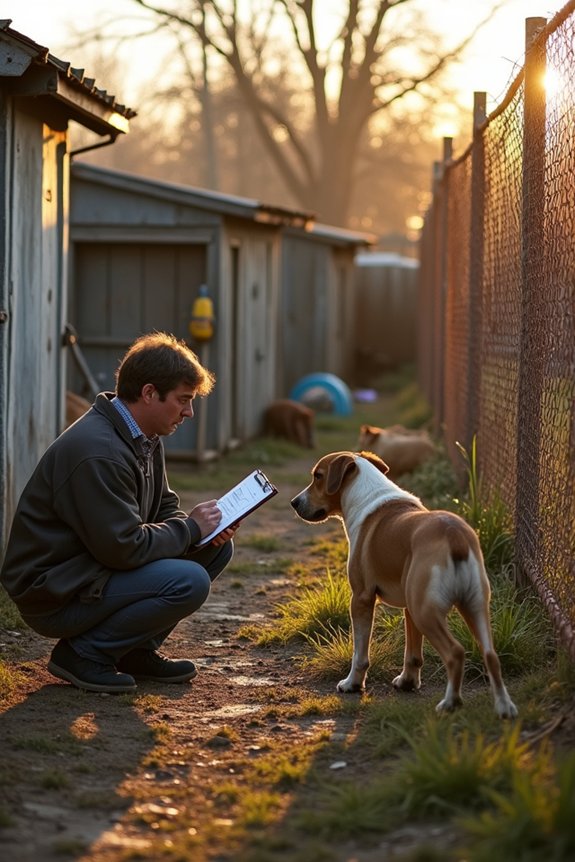
I’ve observed that backyard-bred dogs often exhibit behavioral issues stemming from inadequate early socialization, which leaves them unprepared for typical household environments and social interactions. When breeders don’t expose puppies to varied stimuli—people, sounds, environments—during critical developmental windows, you’ll see anxiety, aggression, and fear responses that persist throughout the dog’s life. Simultaneously, genetic health problems like hip dysplasia and inherited eye conditions manifest as the dog matures, compounding behavioral challenges with pain and reduced quality of life.
Early Socialization Deficiencies
How critical are those first 8–12 weeks of a puppy’s life? I’d argue they’re foundational to behavioral development. Backyard breeders often prioritize producing puppies available year-round over proper socialization protocols. During this window, puppies need structured exposure to people, animals, and varied environments. Without it, they develop lasting fearfulness and aggression issues. Poor nutrition and inadequate veterinary care during these weeks compound behavioral problems. Mother-offspring interaction matters significantly—its absence disrupts bite inhibition and play-cue recognition. High-stress rearing conditions impair normal social development. Puppies lacking early handling experience struggle with new environments and adaptability. These deficiencies create dogs requiring specialized training intervention. The consequences extend beyond puppyhood: higher abandonment rates, increased shelter intake, and persistent behavioral challenges that cost owners considerable time and resources managing preventable issues.
Genetic Health Problem Manifestation
Most puppies from backyard breeders carry unscreened genetic vulnerabilities that emerge across their lifespans. Without two generations of health clearances, inherited diseases pass down unchecked. Hip dysplasia, eye conditions, and congenital defects manifest gradually, often appearing months or years after purchase. You’ll face unexpected veterinary costs that compound over time. Inadequate nutrition during critical development stages weakens their physiological foundation. Stressful rearing conditions amplify genetic predispositions. This genetic health problem manifestation creates a cascading effect: early behavioral issues intensify, management becomes increasingly complex, and lifetime care expenses escalate substantially. The absence of screening protocols means you’re managing preventable conditions. Understanding these delayed consequences helps you recognize why responsible breeding practices matter for your dog’s long-term welfare and your financial stability.
Why Backyard Breeders Operate
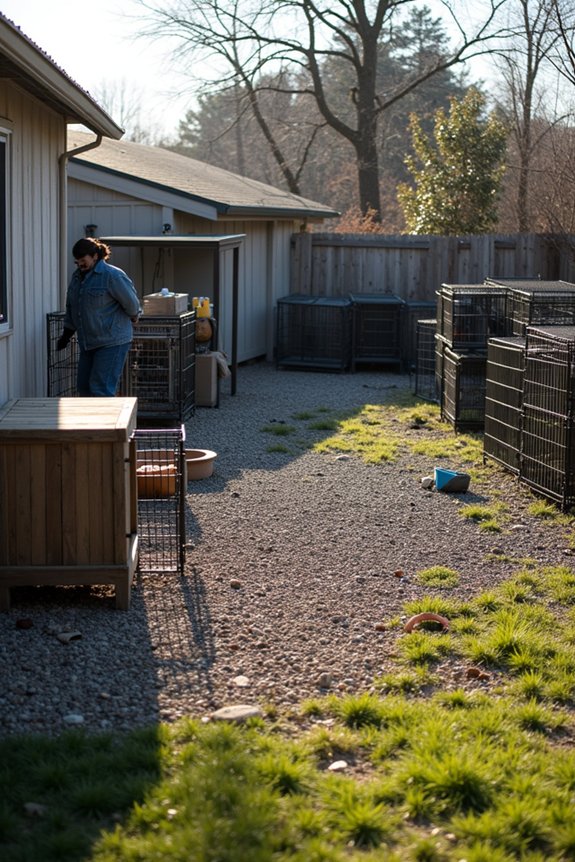
Backyard breeders exist primarily because they’ve identified a profitable market gap. I’ve observed that demand for puppies consistently outpaces supply from established breeders. These operators prioritize profit over animal welfare, breeding multiple litters annually to maximize income. They avoid the expenses associated with health screening, genetic testing, and proper veterinary care. Minimal adoption screening reduces their administrative burden and accelerates sales. Year-round breeding generates continuous revenue without the investment required by responsible breeders. They discard mothers once breeding capacity declines, eliminating ongoing care costs. No health guarantees or two-generation health data requirements mean lower operational expenses. The absence of breeding standards allows them to operate with virtually no oversight. This profit-driven model thrives because consumers seeking affordable puppies often lack awareness of these practices’ consequences.
How Backyard Breeding Fuels Shelter Overcrowding
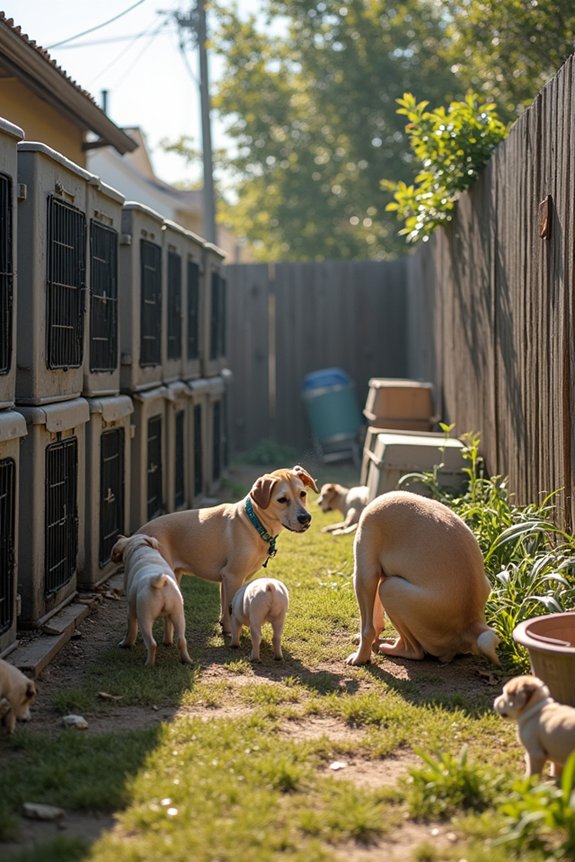
The profit-driven model I’ve described doesn’t exist in isolation—it generates direct consequences for animal shelters nationwide. Backyard breeding creates a pipeline of abandoned animals flooding facilities like Chicago Animal Care & Control. When litters arrive unwanted or mothers appear milk-filled and neglected, shelters absorb the overflow. These discarded dogs strain resources, reduce adoption rates for existing animals, and increase euthanasia risks due to overcrowding. Street-release practices dump additional dogs into nearby facilities, compounding capacity issues. The cycle perpetuates because demand for cheap puppies fuels continued irresponsible breeding. You can interrupt this pattern by adopting from shelters instead. This decision directly reduces demand for backyard-bred dogs while addressing the overcrowding crisis affecting animal welfare facilities in your community.
Legal Risks and State-by-State Regulations
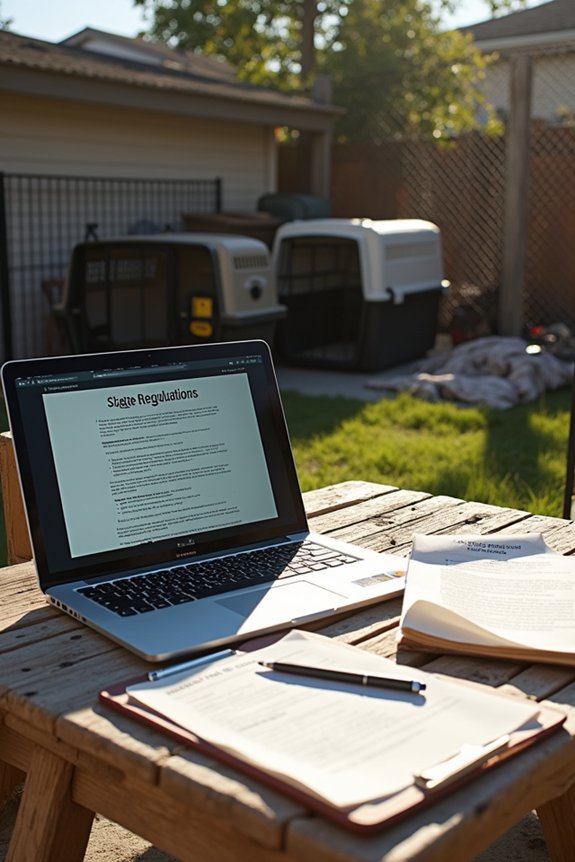
Backyard breeding regulations shift dramatically across state lines, with some jurisdictions mandating strict licensing requirements while others impose minimal oversight. California enforces licensed breeder status with documented welfare standards, Texas allows considerably looser operations, and New York requires health certificates for puppy sales—each reflecting different enforcement priorities. The challenge involves compliance gaps: limited animal control resources mean regulations aren’t consistently enforced, creating uneven protection across neighborhoods and regions.
State Licensing Requirements
How do state licensing requirements protect animals and hold breeders accountable? Here’s what you should know about breeding licenses across different jurisdictions:
- California enforces strict breeding licenses with mandatory welfare standards, health documentation, and facility inspections that establish baseline care requirements.
- Texas maintains minimal regulatory oversight, allowing backyard breeders to operate with fewer licensing requirements and less governmental supervision.
- New York requires health certificates for all puppies sold, necessitating veterinary documentation before purchase to verify disease screening.
- State-by-state differences determine penalties, enforcement mechanisms, and mandatory desexing or registration protocols that vary considerably.
These licensing frameworks create accountability structures. When you understand your state’s specific requirements, you can identify legitimate breeders from unregulated operators. Enforcement consistency varies, making research necessary before purchasing animals.
Penalty Structures And Fines
Accountability mechanisms in breeding regulations function through tiered penalty systems that scale with violation severity. I’ll explain how animal welfare penalties work in practice across jurisdictions.
Fines range from hundreds to thousands of dollars, depending on factors like animal count and repeat offenses. Some states impose mandatory desexing requirements or breeder registration suspensions as compliance measures. Criminal charges emerge when suffering evidence surfaces or violations persist despite warnings.
You’ll notice enforcement inconsistency exists due to limited animal control resources in many regions. Authorities sometimes pursue consumer-protection or business-license violations alongside animal welfare charges to strengthen cases. This dual-approach strategy deters backyard breeding more effectively than single charges alone.
Understanding these penalty structures helps you recognize why regulations exist and their intended impact on breeding practices.
Compliance And Enforcement Challenges
Why do backyard breeders persist despite existing regulations? I’ll explain the enforcement gaps that allow this practice to continue across America.
- Limited resources strain enforcement efforts profoundly, making monitoring difficult for police and animal control agencies nationwide.
- State regulations vary considerably, creating compliance inconsistencies; California requires licensed breeders with welfare standards, while Texas maintains fewer requirements, and New York mandates health certificates.
- Backyard breeders operate without formal licenses in many jurisdictions because reporting channels remain unclear and underdeveloped.
- Legal risks include non-compliance with animal control laws and potential involvement in illegal breeding practices, yet enforcement remains sporadic.
I recognize these challenges create gaps where unlicensed operations flourish. You’ll notice that jurisdictional differences and resource limitations fundamentally undermine regulatory effectiveness across state lines today.
Breeds and Price Points Backyard Breeders Exploit Most
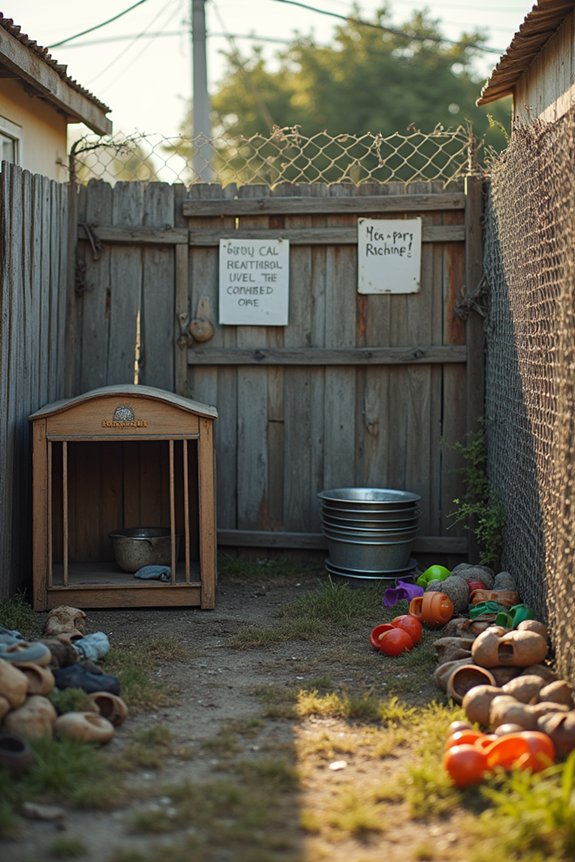
Certain dog breeds and price points create predictable profit opportunities for backyard breeders. Popular breeds like French Bulldogs, Labrador Retrievers, and German Shepherds command higher market prices, making them targets for unethical breeding operations. Backyard breeders exploit designer breeds and rare color variations, which fetch premium prices despite inferior genetic screening. They capitalize on demand without conducting health clearances or documentation. Puppies from these high-value breeds often experience preventable health issues from inadequate breeding practices. The price differential between responsible breeders and backyard operations attracts consumers seeking affordable puppies, unknowingly supporting harmful practices. Recognizing which breeds attract exploitative breeding helps you identify red flags when purchasing dogs.
Responsible Breeders: What to Look For Instead
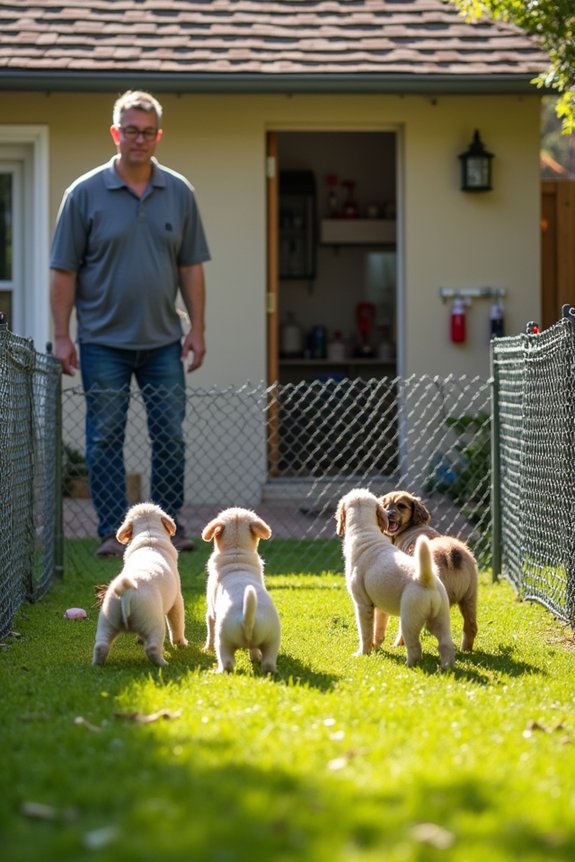
When you’re evaluating a breeder, I’d recommend examining their health testing documentation across two generations and requesting transparent records of breed-specific screening results. You’ll want to confirm they offer a lifetime dog-back guarantee, meaning you can return the dog for any reason without penalty or resistance. These two markers—verifiable health clearances and unconditional return policies—distinguish responsible breeders from those operating without accountability.
Health Testing And Transparency
How can you distinguish a responsible breeder from one cutting corners? I’d look for these key indicators of transparency and commitment:
- Health testing documentation – Request verifiable vet records showing two or more generations screened for breed-specific conditions like hip dysplasia, elbow evaluations, and eye clearances.
- Written health guarantees – Responsible breeders provide formal documentation outlining medical coverage and clearly state return policies if genetic issues emerge.
- Medical history disclosure – They freely share both parents’ complete health records without hesitation or vague explanations.
- Screening practices – They pre-screen applicants, maintain waitlists, and avoid continuous puppy availability year-round.
These standards separate committed breeders from those prioritizing profit. When a breeder welcomes premises visits and demonstrates proper care practices, you’re observing accountability in action.
Lifetime Dog-Back Guarantee
Beyond health documentation, a responsible breeder’s commitment extends far beyond the sale itself. I’m talking about the lifetime dog-back guarantee—a structural safety net that separates genuine breeders from backyard operations.
| Guarantee Type | Responsible Breeder | Backyard Breeder |
|---|---|---|
| Return Policy | Accepts dogs anytime, any reason | Typically refuses returns |
| Post-Purchase Support | Maintains ongoing relationship | Minimal or no contact |
| Breeding Practices | Controls litter frequency | Overproduces without screening |
This guarantee demonstrates accountability. Responsible breeders screen adopters carefully. They place dogs in vetted homes. They’ll retrieve their breeding stock if circumstances change. Backyard breeders prioritize profit over placement quality. They discard or abandon dogs instead.
When you work with a breeder offering this guarantee, you’re entering a contractual partnership. The breeder remains invested in your dog’s welfare throughout its life.
How to Report Suspected Backyard Breeding Operations
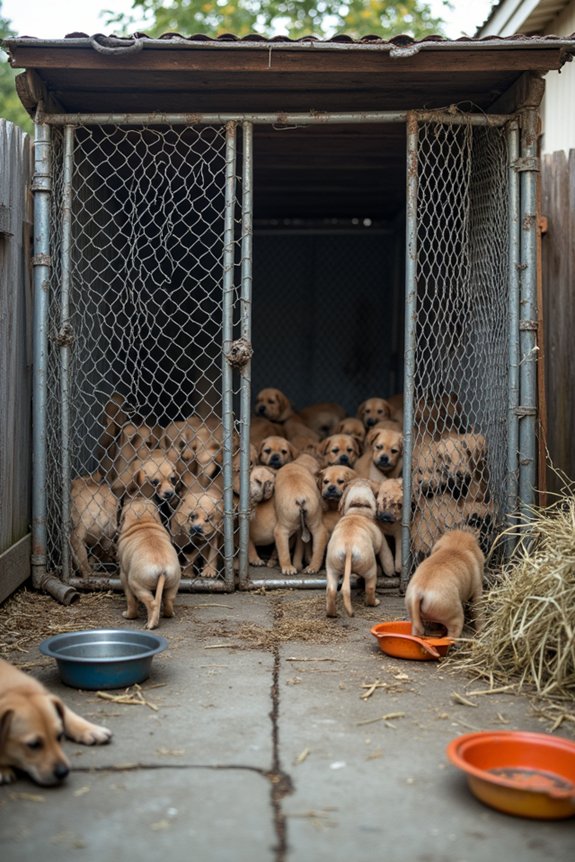
If you’ve identified a breeding operation exhibiting concerning practices, reporting it to local animal control or humane societies is your most effective action. You’re helping interrupt the demand chain that fuels unregulated breeding.
Document specific red flags you’ve observed:
- Year-round puppy availability without health clearances or genetic testing documentation
- Minimal adopter screening, off-site meetings, or shipping arrangements
- Refusal to show premises or disclose animal locations
- Absence of return guarantees or two-generation health certifications
Contact your local animal control agency with detailed information about the operation’s location and practices. Provide photos or videos if you’ve gathered them. Humane societies also investigate welfare concerns and can coordinate intervention efforts. Your report directly addresses the conditions backyard breeders create and reduces demand for their puppies.
Adoption: The Better Alternative
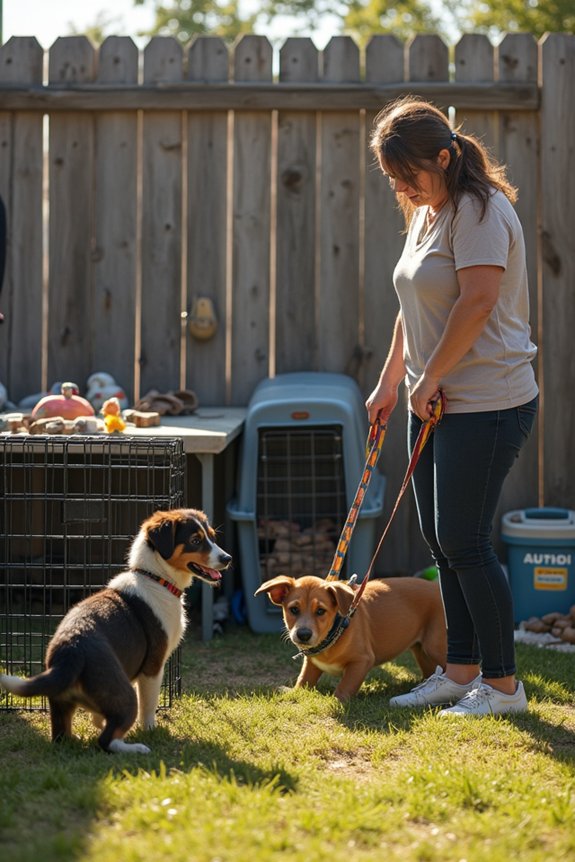
Reporting suspected backyard breeders addresses immediate welfare concerns, but it doesn’t solve the root problem: demand for unregulated puppies continues because people don’t know better alternatives exist. Adoption fundamentally shifts this dynamic. When you adopt from welfare organizations, you’re selecting a pre-screened dog with documented health clearances and vaccination records. This choice directly reduces demand for backyard-bred animals. Millions of dogs enter U.S. shelters annually, creating an urgent need for adopters. Programs like Pets for Life and PAWS Chicago connect you with dogs awaiting homes. Adoption breaks the cycle supporting unregulated breeding practices. By choosing rescue dogs, you support a community that prioritizes animal welfare over profit-driven operations. This alternative addresses both shelter overcrowding and the economic incentives driving backyard breeding.
What You Can Do to Cut Demand
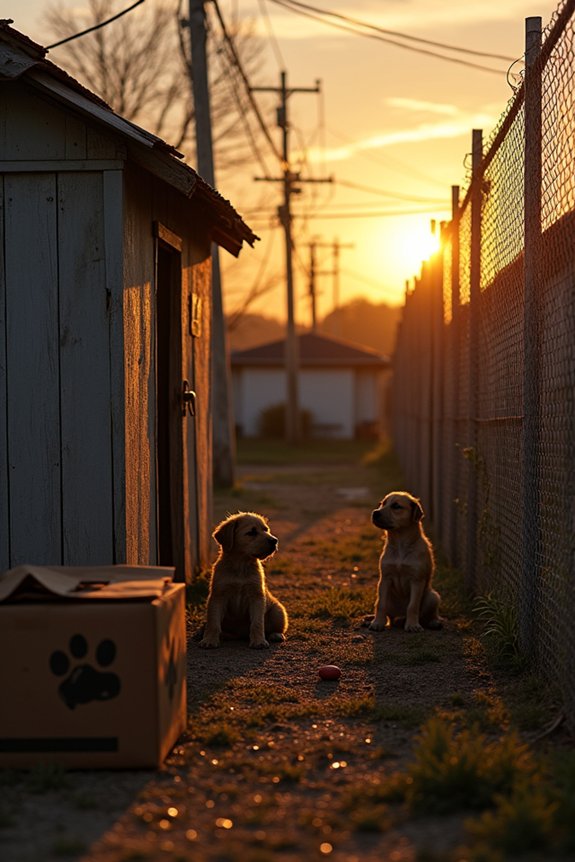
How much purchasing power do you actually hold when choosing where your next dog comes from? Your decision directly shapes market demand and breeder incentives.
Consider these actions:
- Adopt from shelters or reputable rescues instead of purchasing puppies from backyard breeders
- Research breeders thoroughly, verifying health testing, premises transparency, and parent screening protocols
- Support legislation requiring breeder registration and mandatory desexing of non-breeding dogs
- Educate others about backyard breeder practices and adoption alternatives
When you avoid purchasing from backyard breeders, you reduce their profit incentive. Fewer sales means less motivation to continue breeding without standards. Shelters overflow partly because unwanted litters end up abandoned there. Your choice to adopt redirects demand away from irresponsible breeders. Supporting regulatory policies strengthens accountability across the breeding industry. These actions collectively diminish the market sustaining problematic practices.