Your outlets fail because internal springs weaken and contact points corrode after 15–25 years of use.
Loose wiring connections—especially back-stabbed installations—generate arcing heat that degrades insulation and metal components.
High-wattage appliances like space heaters overload circuits, while moisture and temperature fluctuations compromise materials in wet areas.
Physical wear from repeated plug insertions accelerates deterioration in high-traffic locations.
Understanding these mechanisms helps you identify failing outlets before they create fire hazards or electrical shocks.
What Causes Outlets to Fail
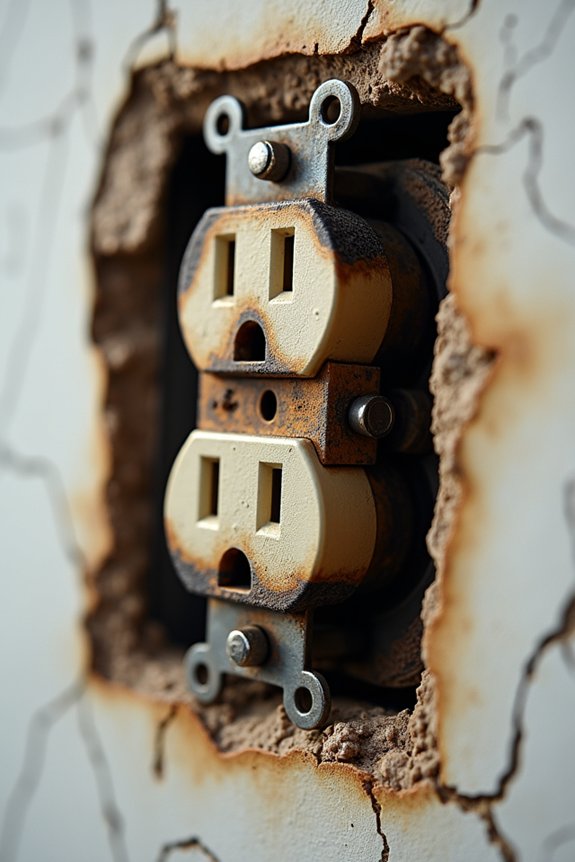
Outlets don’t simply stop working—they fail through a combination of age, mechanical wear, and electrical stress that compounds over time. Aging outlets, particularly those exceeding 15–25 years, deteriorate as internal springs weaken and contact points corrode. I’ve observed that loose wiring connections—whether from back-stabbed terminals or improper installation—gradually loosen further, creating micro-gaps where electricity arcs across conductors. This arcing generates heat that degrades insulation and metal components simultaneously. Wear accelerates when outlets handle modern power demands from multiple devices. High-traffic areas experience additional mechanical stress from repeated plug insertions, loosening internal mechanisms with each connection. Environmental factors like moisture and temperature fluctuations also compromise internal materials. The combination of these stressors means outlets don’t fail suddenly; they deteriorate progressively until contact resistance increases enough to interrupt power flow entirely.
How Outlet Overloads Trip Your Breakers
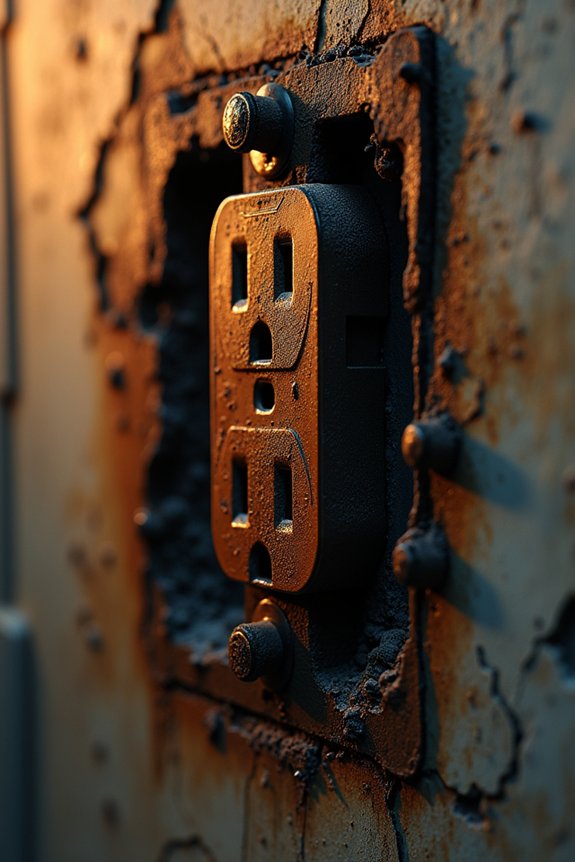
Why does your breaker trip the moment you plug in a second high-draw appliance? Outlet overload occurs when multiple devices exceed your circuit’s rated capacity. Your breaker trips automatically to prevent dangerous overheating and fire hazards.
| Appliance | Typical Wattage | Circuit Impact |
|---|---|---|
| Microwave | 1000–1500W | High-current draw |
| Hair dryer | 1200–1875W | Exceeds capacity |
| Space heater | 750–1500W | Overload risk |
When continuous high-power use combines devices on one circuit, current surges beyond safe limits. Standard 15-amp circuits handle approximately 1800 watts; 20-amp circuits manage 2400 watts. Breaker trips protect your wiring. Repeated breaker trips indicate underlying issues that require professional inspection for damaged insulation or loose connections downstream.
Loose Outlet Wiring and Failing Connections
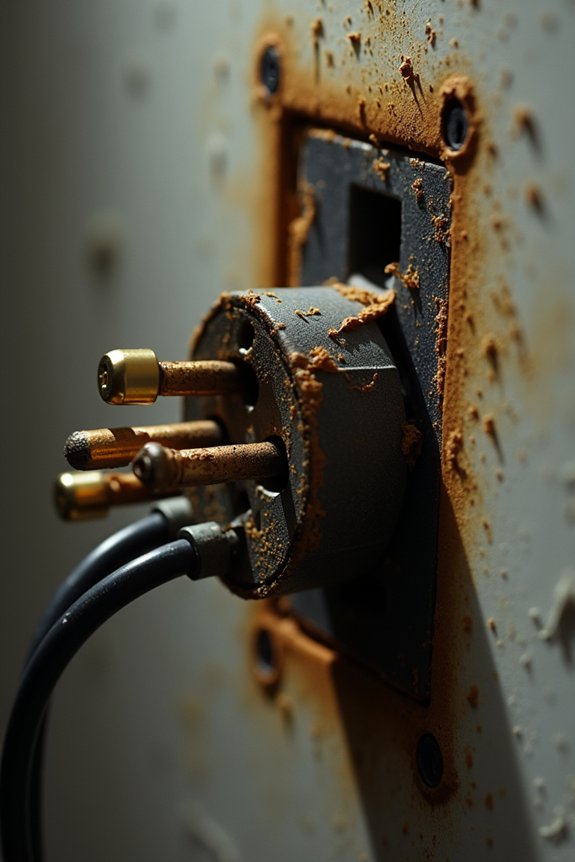
How do loose connections damage your outlets over time?
Loose wiring inside your outlets creates serious electrical safety risks. Back-stabbed connections—where wires push into spring clips without screws—loosen gradually. Proper torque on terminal screws prevents this deterioration. When connections fail, you experience:
Loose wiring in outlets creates serious electrical safety risks. Back-stabbed connections without screws loosen gradually, requiring proper terminal screw torque.
- Arcing between wire and terminal, generating heat exceeding 1,000°F
- Intermittent power loss from contact gaps widening incrementally
- Shock hazards when touching the receptacle during loose phases
- Fire risk from sustained overheating of surrounding materials
High-traffic areas accelerate wear on outlet components substantially. Damaged or frayed wires upstream compound connection problems even when receptacles appear functional. Regular inspection catches loose screws before arcing develops. Secure all connections with appropriate gauge wire and rated terminals. This preventive approach eliminates unreliable outlets and maintains household electrical safety effectively.
Physical Outlet Damage From Impact and Wear
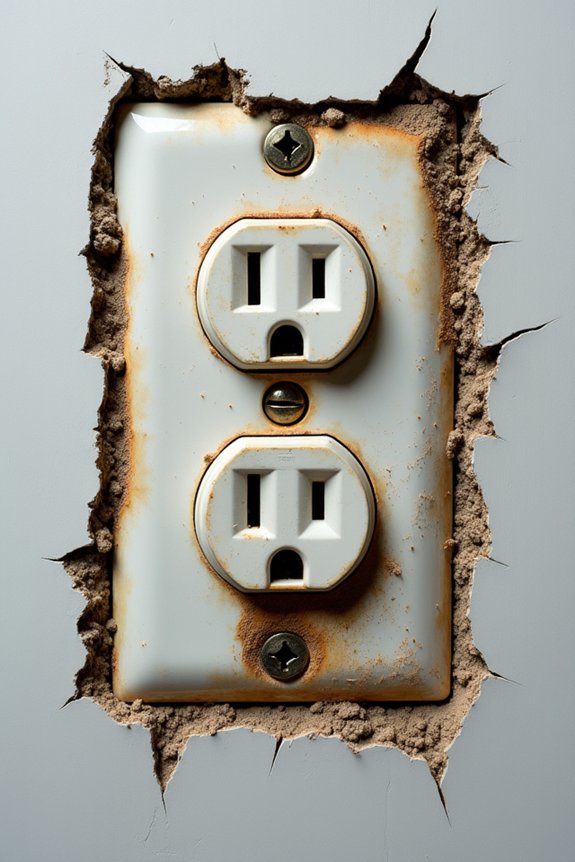
Physical damage from impact—cracks in the outlet housing, burns on the face plate, or broken internal tabs—signals serious electrical problems that require attention. High-traffic areas experience accelerated wear when plugs get inserted and removed repeatedly, loosening the contact springs and creating gaps where arcing occurs. Once structural failure begins, replacement by a qualified electrician becomes necessary to prevent shock hazards and fire risk.
Impact Damage and Cracks
Outlets in high-traffic areas or near furniture tend to sustain visible damage that compromises their structural integrity and electrical safety. You’ll notice impact damage manifests through several observable warning signs:
- Cracks or chips in the outlet cover expose internal components to dust and moisture infiltration
- Scorch marks around the receptacle indicate overheating from poor contact connections
- Loose mounting boxes cause misalignment, degrading contact quality between plug prongs and internal terminals
- Broken wall plates allow live wiring exposure, creating shock hazards for you and your family
This wear and tear accelerates connection loosening. Backstabbing—where wires aren’t fully inserted—worsens after impacts, increasing arcing resistance and heat generation. The outlet damage progresses from cosmetic cracks to functional failure. You’re responsible for identifying these deterioration patterns early, preventing fire risks and electrical faults that develop from extended use and repeated impacts in high-traffic zones.
Wear From High-Use Areas
Why do outlets deteriorate fastest in kitchens, bathrooms, and workshops? These high-use areas demand constant plugging and unplugging, which degrades internal contacts through repeated friction. Each insertion and removal creates microscopic wear on the contact springs, reducing their grip strength. I’ve found that heavy loads—like refrigerators or power tools—loosen terminal screws and back-stab connections over time. When connections weaken, electrical resistance increases, causing arcing between contacts. This arcing generates heat that damages insulation and accelerates component failure. High-use outlets also accumulate dust and debris, which interferes with contact pressure. You’ll notice outlets in these spaces fail faster than those in bedrooms or living rooms. The combination of mechanical wear and electrical stress makes high-use locations particularly vulnerable to premature outlet degradation.
Structural Failure and Replacement
Impact damage and mechanical wear compromise outlet integrity in predictable ways. I’ve observed that structural failure develops through multiple pathways you’ll recognize:
- Cracked outlet housings from impact expose internal wiring and contacts to debris
- Loosened mounting screws from repeated insertion strain cause misalignment and arcing
- Scorch marks and chipped faceplates signal internal deterioration spreading outward
- Bent contact plates reduce electrical connection quality, generating heat and failure
Aging components deteriorate faster after 15 to 25 years of daily use. Physical damage near the outlet cover indicates underlying harm that worsens progressively. Visible cracks, detached boxes, or bent faceplates demand immediate replacement to restore proper alignment and safety. You’ll need professional installation to correct contacts and restore full functionality without risk.
Moisture and Corrosion in Wet-Area Outlets
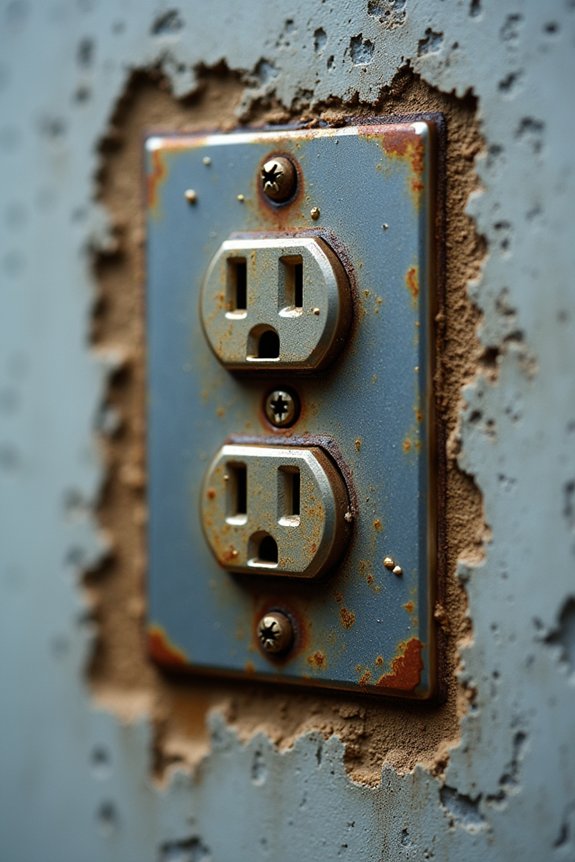
How does water exposure compromise an outlet’s internal mechanics? Moisture infiltration accelerates corrosion of copper contacts and brass terminals, creating oxidized layers that increase electrical resistance. You’ll notice loose connections developing as corroded surfaces prevent proper contact pressure between plug prongs and receptacle slots. This degradation causes arcing—visible sparking inside the outlet—and generates excessive heat that can melt insulation around internal wiring. Water exposure degrades the plastic insulation protecting copper conductors, significantly increasing short-circuit risk. GFCI protection devices installed in wet-area outlets detect these moisture-related faults and cut power rapidly, reducing electrical shock hazards. In kitchens, bathrooms, laundry rooms, and outdoor spaces, regular inspection reveals corrosion damage before catastrophic failure occurs. Non-responsive GFCI outlets signal miswiring or malfunction, requiring immediate professional evaluation.
Outlet Overheating From Excessive Demand
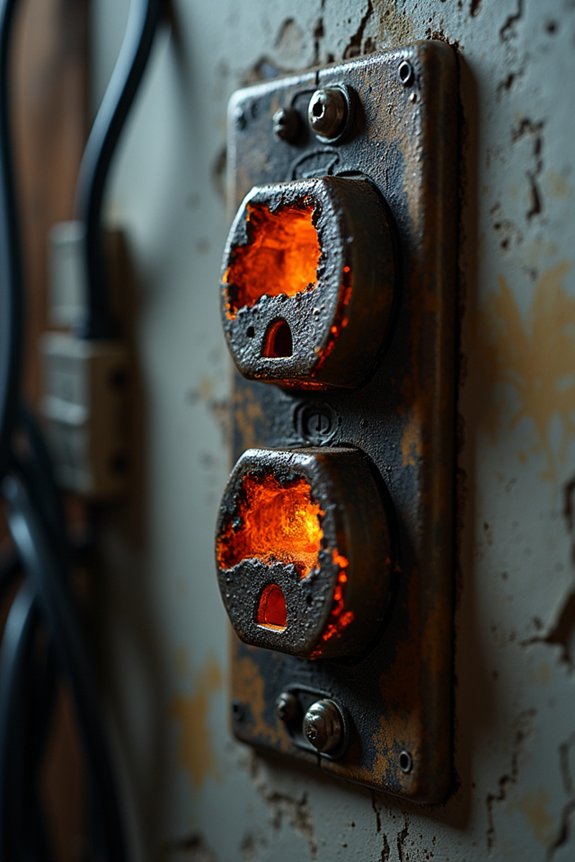
While moisture damage threatens outlets in wet environments, overheating from excessive electrical demand poses equally serious risks in everyday living spaces. You’re drawing more current than your outlet or circuit safely handles. This creates dangerous conditions:
- High-wattage appliances like space heaters and hair dryers overload single outlets
- Loose connections generate resistance and heat buildup under load
- Back-stabbed wiring in older homes lacks proper contact, causing temperature spikes
- Insulation damage and fire hazards develop rapidly without intervention
A warm or hot outlet signals immediate danger. You’ll notice discoloration around the receptacle face. Older homes with limited amperage face particular vulnerability. Upgrading to outlets with appropriate amperage ratings, installing dedicated circuits for heavy loads, and using surge protection reduces these risks effectively. Replace compromised outlets immediately to maintain safe electrical systems.
Aging Infrastructure in Older Homes
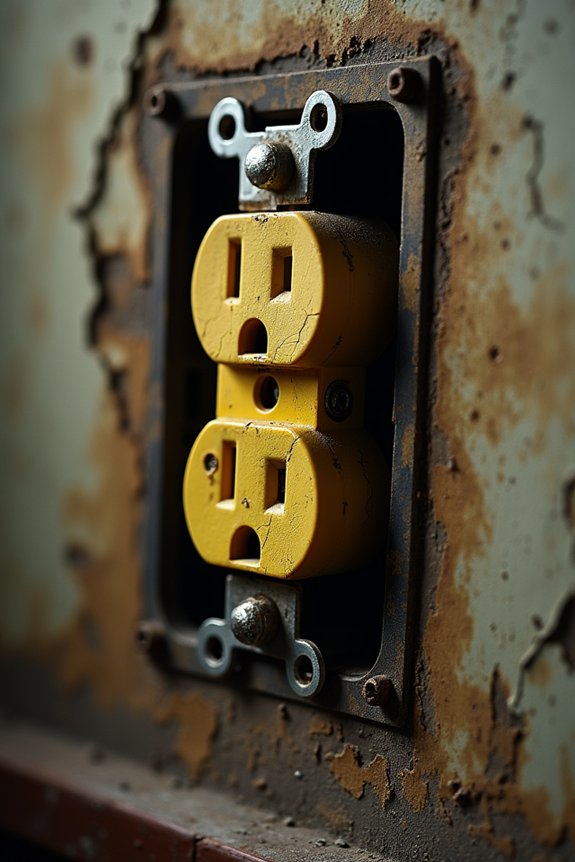
Older homes frequently feature two-prong outlets without ground pins, leaving you vulnerable to electrical shock and fire hazards that modern three-prong grounded outlets prevent. The outdated wiring systems in these houses—often decades-old Romex cable with degraded insulation—struggle to deliver consistent power and develop high-resistance connections at contact points. Back-stabbed wire connections, where conductors push into outlet terminals rather than screw down securely, compound these problems by creating loose contacts that arc, overheat, and fail prematurely.
Outdated Wiring Systems
Why do homes built before the 1990s struggle with electrical demands we consider standard today? Your outdated wiring systems simply weren’t engineered for modern consumption. Here’s what you’re facing:
- Two-pronged, ungrounded outlets lack the third prong that grounds electrical current safely to earth
- Aging outlets develop loose back-stab connections where wires insert into terminals, creating arcing and heat
- Degraded Romex insulation frays and cracks, exposing conductors and increasing shock hazards
- Cloth-wrapped wiring from the 1950s-70s deteriorates chemically, becoming brittle and unsafe
Your aging outlets deteriorate because they’re handling loads exceeding their original 15-amp capacity. Worn connections overheat. Electrical safety requires grounding protection your outdated infrastructure can’t provide. Professional inspection identifies which outlets need replacement before failures cascade throughout your home’s system.
Grounding Deficiencies In Older Outlets
The outdated wiring we discussed can’t deliver safe electricity without proper grounding infrastructure. Many older homes feature two-prong outlets that lack the ground pin entirely. This grounding deficiency creates serious risks when you plug modern devices into these outlets. Your appliances and electronics lose critical protection against electrical faults. An aging electrical system compounds these problems considerably. Without grounding pathways, fault currents can’t safely dissipate into the earth. This increases shock hazard and fire potential substantially. Upgrading to GFCI protection represents an important improvement. GFCI outlets detect ground faults and cut power instantly, protecting you from dangerous surges. Three-prong grounded outlets provide the necessary safety infrastructure contemporary devices demand. Addressing grounding deficiencies directly reduces electrical hazards in your home markedly.
When GFCI Outlets Stop Protecting You
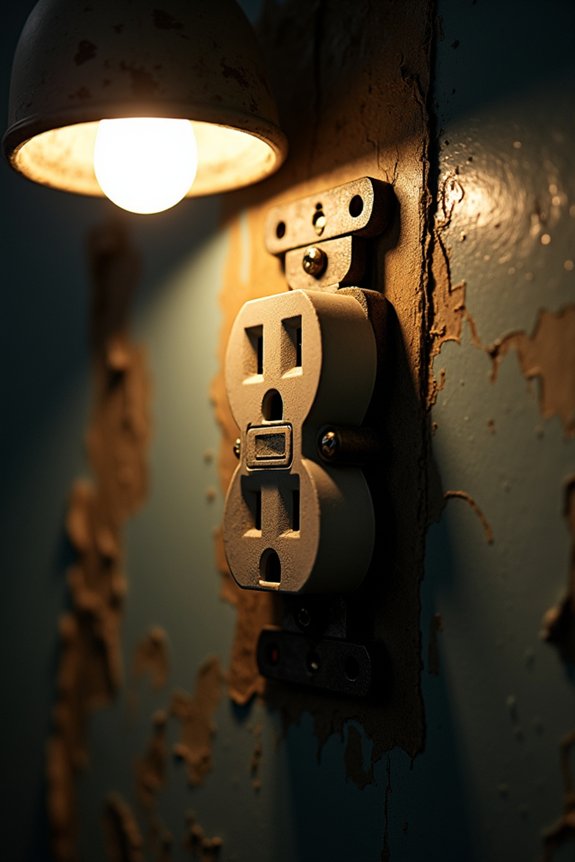
How often do you actually test your GFCI outlet? Many homeowners skip this important maintenance step. When your GFCI stops functioning properly, you’ve lost essential protection against electrical hazards.
Most homeowners neglect testing their GFCI outlets monthly, risking loss of critical electrical protection.
Several conditions compromise GFCI effectiveness:
- Moisture intrusion corrodes internal components and prevents proper reset functionality
- Miswired line and load connections disable downstream protection for connected outlets
- Defective units fail to detect ground faults or imbalances between hot and neutral currents
- Repeated tripping indicates a faulty load requiring circuit investigation
Test your GFCI monthly using the test button. If power doesn’t restore after pressing reset, or if downstream outlets lose protection unexpectedly, the outlet likely needs replacement. Pay attention to these warning signs—they indicate your electrical safety system isn’t functioning as designed.
The Danger of Quick-Plug (Back-Stabbed) Connections
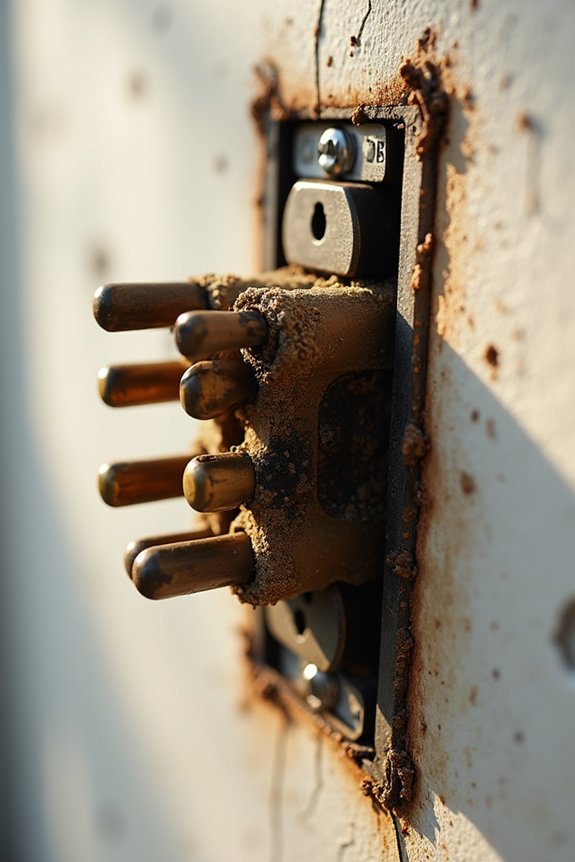
Most outlets you’ll encounter use one of two connection methods: screw terminals or quick-plug ports. I’m referring to back-stab connections—those spring-clamp ports requiring you to insert wires directly without mechanical fastening. Here’s why they fail.
| Problem | Cause | Result |
|---|---|---|
| Wire loosening | Vibration, plugging cycles | Dead outlets |
| Arcing | Poor contact pressure | Fire risk |
| Overheating | Resistance buildup | Intermittent power |
| Wire creep | Thermal expansion | Connection failure |
Back-stab connections rely entirely on spring tension maintaining contact. Over time, this pressure degrades. Without screw-terminal outlets’ mechanical clamping force, wires gradually slip backward. This creates gaps where arcing and overheating occur. The results prove dangerous: fires, power loss, and safety hazards.
I recommend upgrading to screw-terminal outlets immediately. They secure wires through mechanical pressure, resisting vibration and thermal changes. Quality screw-terminal outlets deliver superior reliability and longevity.
Burn Damage and Discoloration
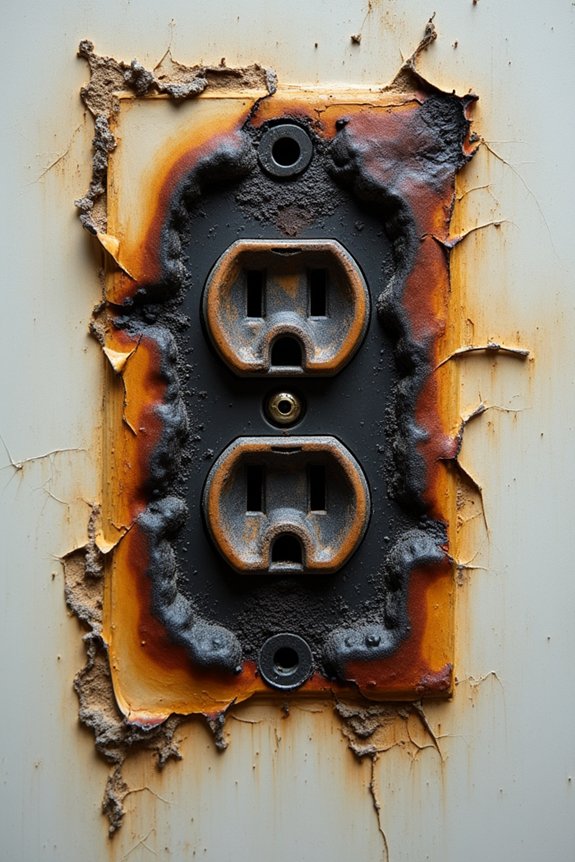
When you spot blackened, charred, or discolored areas around an outlet’s face plate or receptacle openings, you’re witnessing heat damage from internal electrical faults. This burn damage signals either a loose connection creating resistance, an overloaded circuit drawing excessive current, or deteriorated internal components failing under thermal stress. Any visible scorch marks indicate a safety hazard that requires prompt outlet replacement.
Overheating and Electrical Faults
Outlets degrade rapidly when internal resistance generates excessive heat, creating visible burn damage and discoloration that signal serious safety hazards. You’ll recognize outlet overheating through these warning signs:
- Scorch marks appear around the outlet cover and surrounding wall area
- A persistent burning smell comes from the outlet despite no devices plugged in
- The outlet feels warm or hot when you touch it with your hand
- Discolored plastic indicates faulty wiring or degraded internal components
Arcing from loose connections or damaged internal parts increases fire risk considerably. When you observe burn marks, stop using the outlet immediately. Do not ignore these indicators—they represent genuine electrical faults that require professional assessment. A qualified electrician must inspect and replace compromised outlets before serious damage occurs.
Visual Indicators of Danger
Visual damage on an outlet’s exterior serves as your first line of defense against electrical hazards. I recommend you inspect outlets regularly for outlet burn marks, discoloration, and scorching signs that indicate internal problems.
| Danger Sign | Cause | Action Required |
|---|---|---|
| Burn marks on cover | Arcing or overheating | Replace immediately |
| Discoloration near outlet | Heat buildup from loose connection | Call electrician |
| Visible cracks in body | Thermal stress or impact | Discontinue use |
| Scorch marks on plate | Overheating from failed connection | Professional replacement |
| Warm outlet surface | Electrical overload or fault | Stop using outlet |
Scorching signs reveal overheating within the outlet’s internal mechanisms. You’ll notice discoloration concentrating around terminal areas where connections fail. Visible damage ranging from minor darkening to severe charring demands immediate professional replacement. These indicators protect you from fire risk and electrical shock hazards.
Two-Prong vs. Three-Prong Outlets: Why It Matters
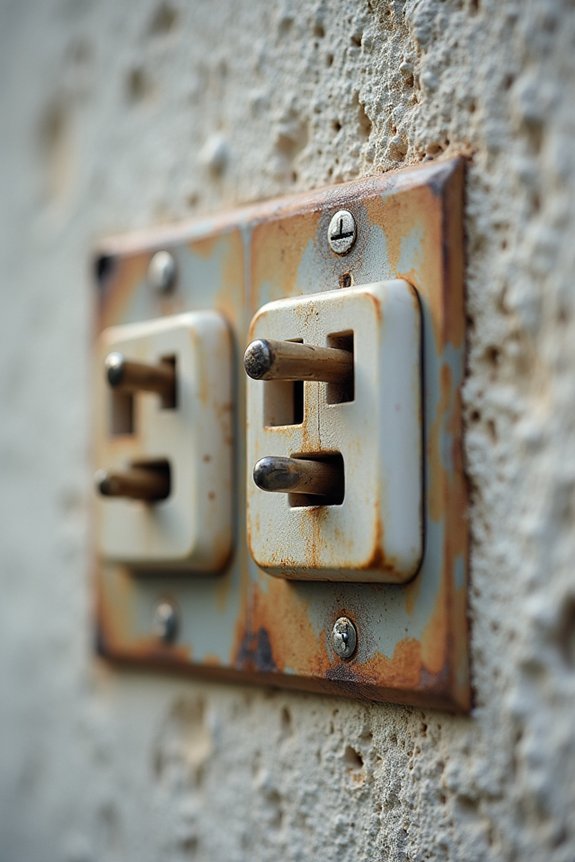
Why haven’t older two-prong outlets kept pace with modern electrical demands?
Two-prong outlets lack grounding, the third wire protecting you from shock hazards. Three-prong outlets include this safety feature. Understanding this distinction matters for your home’s protection.
Here’s what separates these outlet types:
- Two-prong outlets provide no grounding path, increasing electrical shock risk substantially
- Three-prong outlets deliver grounding protection through a dedicated wire connection
- Older homes can’t accommodate modern three-prong plugs without replacement
- Upgraded three-prong installations require proper grounding to meet current electrical codes
Two-prong outlets deteriorate faster through wear, corrosion, and loose connections. These conditions cause arcing and overheating over time. Modern three-prong or GFCI outlets paired with appropriate wiring improvements reduce shock hazards significantly. Upgrading your outlets demonstrates commitment to household safety standards. You’re joining countless homeowners prioritizing protection through proper electrical infrastructure.
How Many Years Should an Outlet Last?
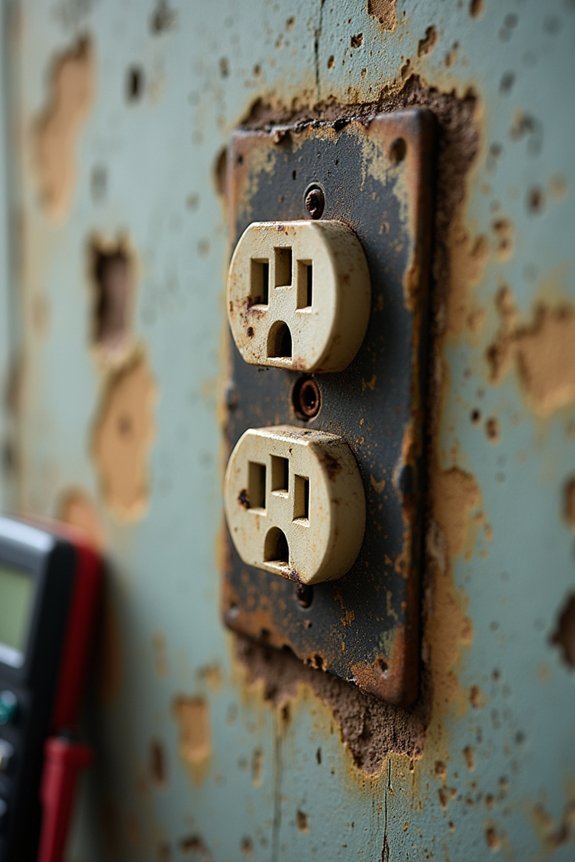
Most outlets function reliably for 15 to 25 years under normal conditions, though this timeline varies based on usage patterns and environmental factors. I’ll examine the typical lifespan range you can expect, then explore the specific conditions—electrical load, humidity, frequency of plug insertions, and wiring quality—that either extend or shorten an outlet’s operational life. Understanding these variables helps you predict when replacement becomes necessary and when warning signs demand immediate professional inspection.
Typical Outlet Lifespan Range
How long should you expect an electrical outlet to function before replacement becomes necessary? Most quality outlets perform reliably for 15 to 25 years with proper maintenance. However, your outlet lifespan depends on several factors affecting durability:
- Installation quality and grounding specifications
- Environmental moisture and temperature fluctuations
- Frequency of plug insertion and removal cycles
- Amperage demands from connected devices
Aging outlets in high-use areas deteriorate faster than those in low-traffic spaces. You’ll notice wear and tear through looseness, flickering lights, or intermittent power loss. These warning signs indicate replacement timing. Outlets installed in older homes with outdated wiring systems fail sooner due to insufficient grounding and increased power demands. Professional inspections help identify deterioration early, extending functional performance and preventing safety hazards in your electrical system.
Factors Affecting Outlet Longevity
Several variables determine whether your outlet reaches its 15-to-25-year lifespan or fails prematurely. Usage patterns markedly impact outlet longevity; high-traffic areas experience accelerated wear and tear. Environmental factors like moisture, temperature fluctuations, and dust accumulation degrade internal components over time. Improper installation—loose connections or incorrect wiring—reduces electrical safety and shortens functional life noticeably. Modern power demands strain aging outlets designed for lower amperage requirements, increasing overheating risks. Quality variations among manufacturers affect durability; premium outlets withstand stress better than budget alternatives. Physical damage from repeated plug insertions weakens contact springs and receptacles. Professional installation and regular maintenance help you identify deterioration early. Understanding these factors allows you to protect your home’s electrical infrastructure and maintain consistent electrical safety standards throughout your residence.
Warning Signs Your Outlet Is Failing
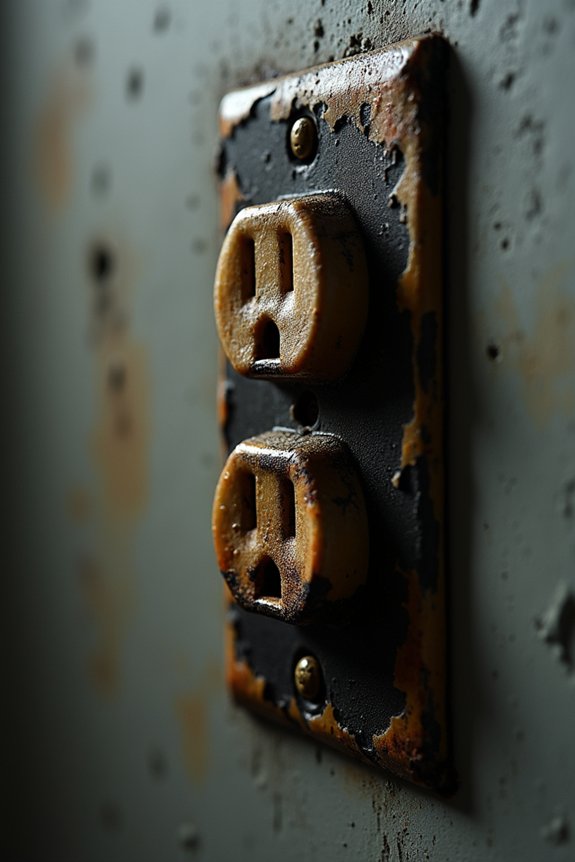
When does a wall outlet shift from functional to hazardous? I’ll identify the critical warning signs you shouldn’t ignore.
Your outlets demand immediate attention when you notice these conditions:
- A burning smell or visible scorch marks near the outlet indicate overheating requiring urgent replacement
- Buzzing noises or crackling sounds signal loose wiring and arc fault conditions that raise fire risk substantially
- A loose outlet that won’t hold plugs snugly creates unsafe connections and potential arcing situations
- Frequent breaker tripping in the same area suggests faulty outlet conditions needing professional inspection
Additionally, outlets that feel warm to the touch indicate overload or component failure. These physical indicators—burning smell, loose outlet connections, arc fault activity, and breaker tripping—represent observable safety hazards. I recommend addressing these warning signs immediately through professional replacement rather than delaying action.
Diagnostic Steps to Confirm a Bad Outlet
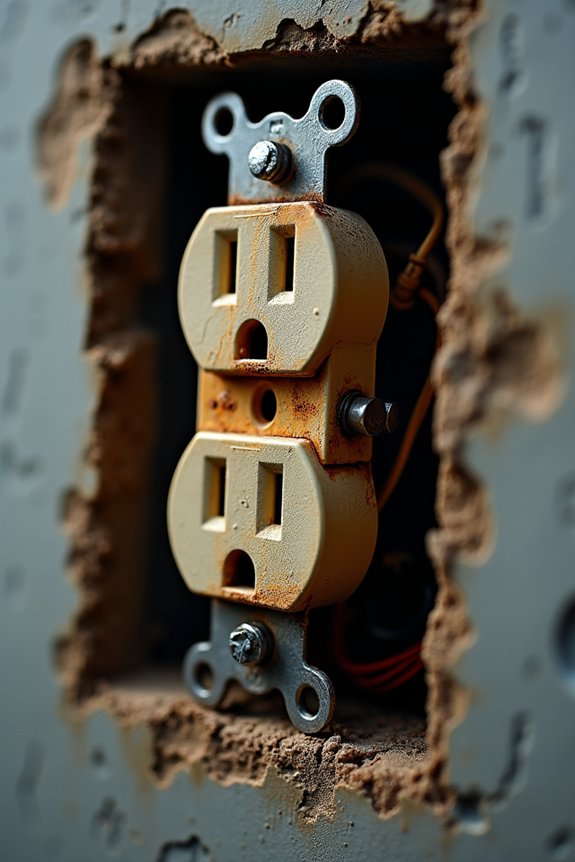
Before you replace an outlet, you’ll want to confirm it’s actually faulty using straightforward diagnostic methods. Start by examining the outlet visually for cracks, scorch marks, or discoloration indicating internal damage. Next, test for a tripping breaker by plugging in a device and monitoring whether the circuit breaker repeatedly trips during normal use. This pattern suggests a short or overload within the outlet’s circuit. Use a voltage tester to measure power delivery at the outlet terminals. A properly functioning outlet should display consistent voltage readings. If readings are absent or erratic, you’ve likely identified a problem. Inspect for loose connections inside the outlet box, as these cause arcing and overheating. These diagnostic steps will help confirm whether replacement is necessary before proceeding with repairs.
When to Replace vs. Repair an Outlet
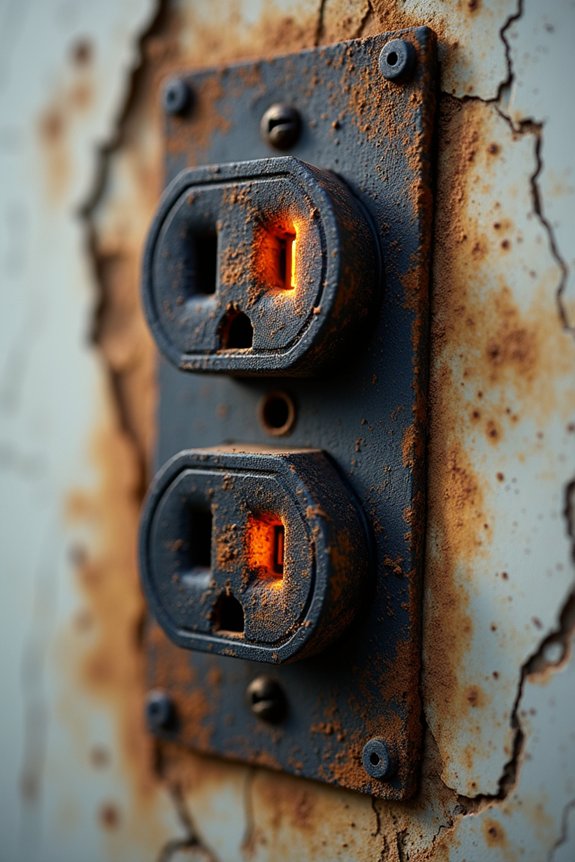
How do you decide whether an outlet deserves a repair attempt or a full replacement? The answer depends on several factors that determine safety and functionality. Consider these key situations:
- Outlets exhibiting visible damage, burn marks, or melted plastic require immediate replacement
- Frequent tripping breakers or buzzing sounds indicate serious electrical faults needing professional evaluation
- Loose wiring or back-stabbed connections create reliability risks demanding proper reinstallation
- Outlets exceeding 15 years old warrant upgrading to modern outlets like GFCI models
Damaged or hot outlets pose genuine shock and fire hazards. Repairs rarely address underlying issues. Instead, replacement provides proper torque at installation and eliminates uncertainty. Modern GFCI outlets provide enhanced safety in wet areas. When you encounter recurring problems or complex faults affecting upstream circuits, professional replacement becomes necessary rather than attempted repairs.