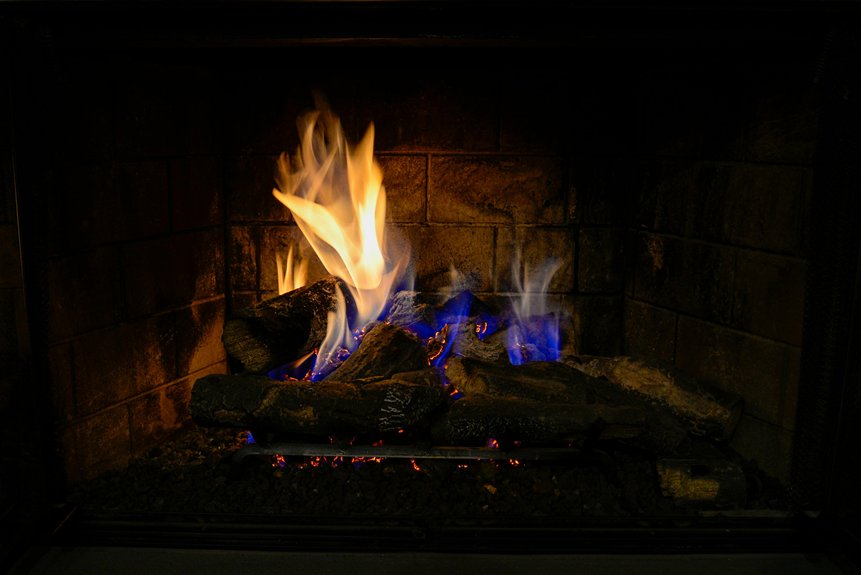
Modern gas fireplaces don’t require traditional chimneys. Direct vent systems pull outside air for combustion and exhaust through sealed wall or roof penetrations. Power vent systems use electric fans to extend installation flexibility. B-vent and Class A flue options provide alternative exhaust pathways without brick chimneys. Vent-free models recirculate heated air indoors but demand robust CO monitoring. Your specific venting choice depends on local codes, budget, and installation constraints—factors a certified installer can assess for your situation.
Do Gas Fireplaces Need a Traditional Chimney?
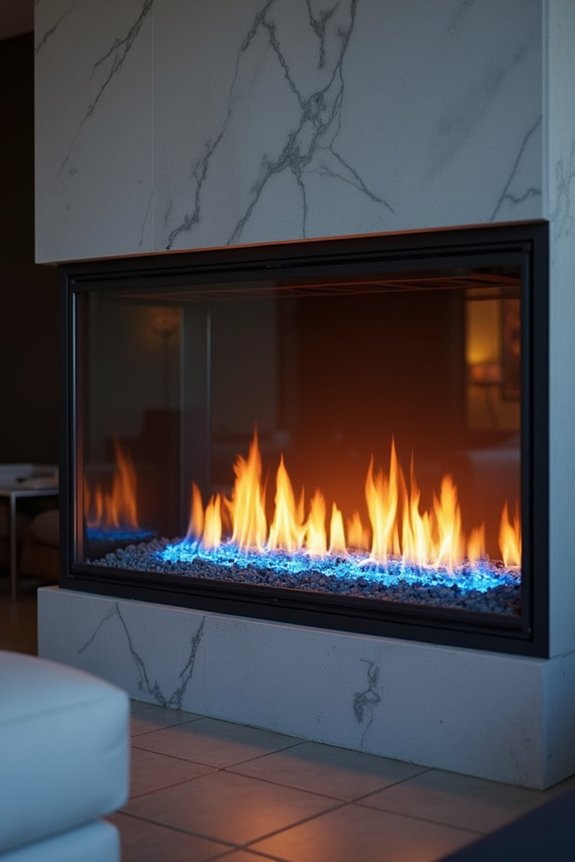
A gas fireplace doesn’t require a brick chimney to operate safely and effectively. Modern venting options have expanded installation flexibility considerably. Direct vent systems exhaust combustion gases outside through sealed pathways via through-the-wall or roof openings. These units feature outside glass viewing panes and eliminate dependence on existing chimneys entirely. When a chimney exists, you can use it, but it’s not required for proper functionality. Class A flue or B-vent systems provide alternative exhaust routes when traditional chimneys aren’t available. Vent-free models circulate heat indoors without external venting, though they demand adequate indoor ventilation and carbon monoxide monitoring. Understanding these venting options allows you to select the configuration matching your home’s structure and your heating preferences.
How Direct Ventilation Works for Gas Fireplaces
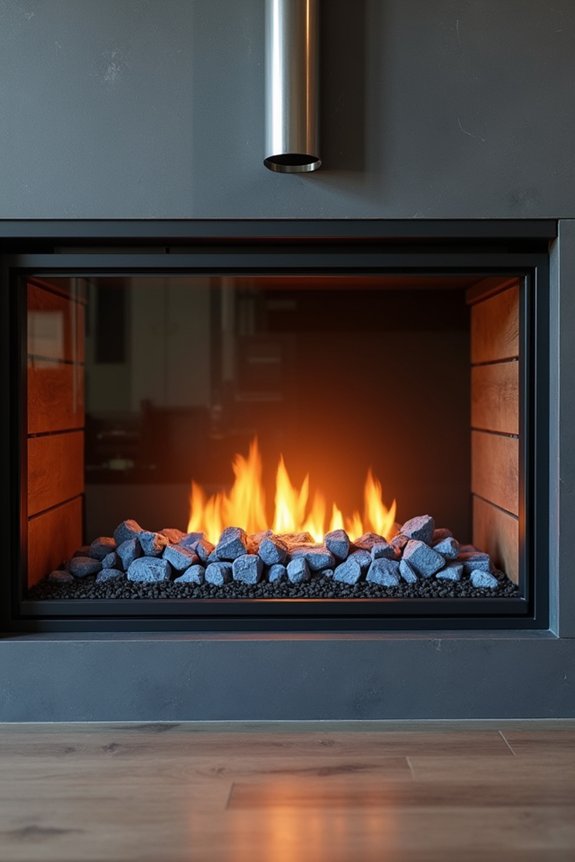
How does direct ventilation actually work in a gas fireplace? I’ll explain the mechanics clearly. Direct venting uses a sealed system with two pathways: one draws outside air to the burner, while another exhausts combustion exhaust through a dedicated vent. This dual-pipe configuration prevents indoor air depletion and improves indoor air quality. Most direct vent units feature an outside glass pane, allowing flame visibility while gases exit safely. The system vents either vertically through your roof or horizontally through a wall opening. Because direct venting creates a sealed exhaust path, it’s the most popular gas fireplace option today. This design eliminates the need for a traditional chimney while maintaining efficient, safe operation that protects your living space from smoke and odors.
How Natural Ventilation Works as a Chimney Alternative
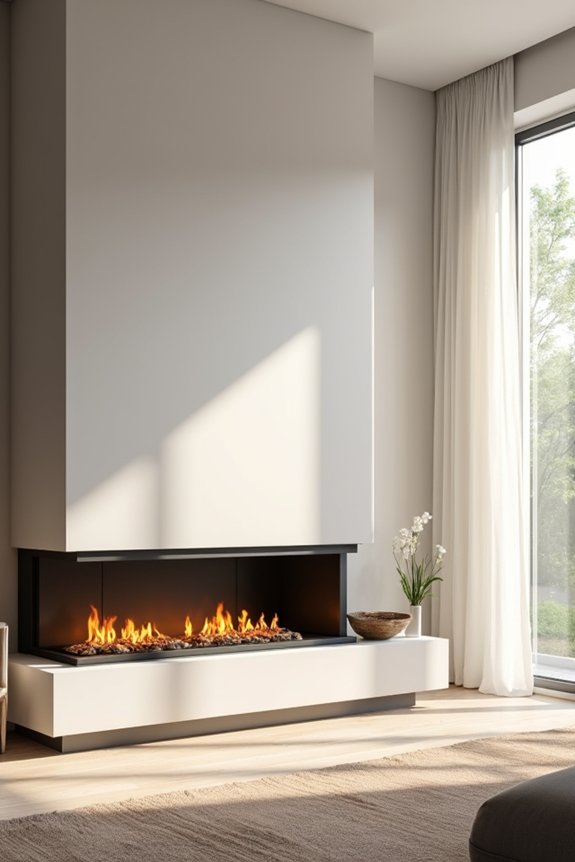
Natural ventilation offers another pathway for gas fireplaces when direct venting isn’t feasible for your space. I’m describing a pipe or brick-and-mortar structure that resembles a chimney, channeling air and combustion by-products upward through your roof or exterior wall. This venting system doesn’t require a traditional fireplace chimney, providing design flexibility for various room configurations. The structure functions primarily as an air vent, expelling smoke and pollutants away from your living areas while maintaining indoor air quality. Proper sizing, placement, and exterior venting are necessary for effectiveness. This alternative works well when you’re seeking installation options beyond direct venting. Natural ventilation requires careful planning to confirm that combustion by-products exit safely and completely.
How Power Vents and Vent-Free Systems Work
Power vent fans use electric motors to actively push combustion gases outdoors through either wall or roof openings, creating controlled exhaust paths that work in tight spaces. Vent-free units, by contrast, recirculate heated air back into your room without outdoor venting, relying on emission controls to manage byproducts—though they can trap odors if undersized or poorly maintained. These systems offer practical alternatives when traditional chimneys aren’t feasible for your installation.
Power Vent Fan Technology
When you’re installing a gas fireplace in a space without a traditional chimney, you have alternatives—and power vent fan technology is one of your most practical options. Power vent systems use electric blowers to actively push combustion gases outside, creating reliable exhaust performance in compact areas. Here’s what makes this technology work:
- Sealed combustion chambers capture gases directly and route them through dedicated ducts
- Electric fans generate consistent airflow, enabling both vertical roof venting and horizontal wall venting
- Flexible duct positioning allows installation in homes lacking traditional chimneys
Unlike vent-free options, which recirculate heat internally, power vent systems actively remove combustion gases from your living space. You’ll need electrical power to operate the blower, but you’ll gain superior exhaust efficiency and placement flexibility. This approach provides a practical middle ground between traditional venting and ventless solutions.
Vent-Free Heat Retention
Power vent systems actively push combustion gases outside, but vent-free fireplaces operate on an entirely different principle—they recirculate your indoor air and retain heat within the room. These units prioritize warmth over external exhaust efficiency, keeping heated air inside your space. However, vent-free installations don’t eliminate combustion by-products; they remain indoors, potentially retaining odors and pollutants. You’ll need proper interior ventilation to manage carbon monoxide and nitrogen dioxide accumulation. Regular cleaning and periodic safety inspections protect your household. Placement matters significantly—room size and air circulation capacity determine whether your vent-free fireplace performs safely. Unlike direct-vent models with external components, vent-free systems demand careful consideration of your home’s ventilation infrastructure before installation.
How Sealed Venting Systems Replace Traditional Chimneys
How do you vent a gas fireplace without a brick chimney? Sealed venting systems eliminate the need for traditional chimneys entirely. These systems safely remove combustion by-products through exterior openings instead of relying on masonry structures.
I’ll break down your main options:
- Direct vent units pull outside air for combustion and expel exhaust through sealed flues, often featuring exterior glass viewing panes for visual appeal.
- B-vent systems offer affordability by exhausting through liners or single pipes, making installation more accessible for budget-conscious homeowners.
- Class A flue provides superior durability and long-term safety performance compared to alternative venting methods.
Each system requires proper installation and seasonal inspections to prevent carbon monoxide buildup. These sealed venting solutions effectively replace traditional chimneys while maintaining safe, efficient operation.
What Are Your Venting Options?
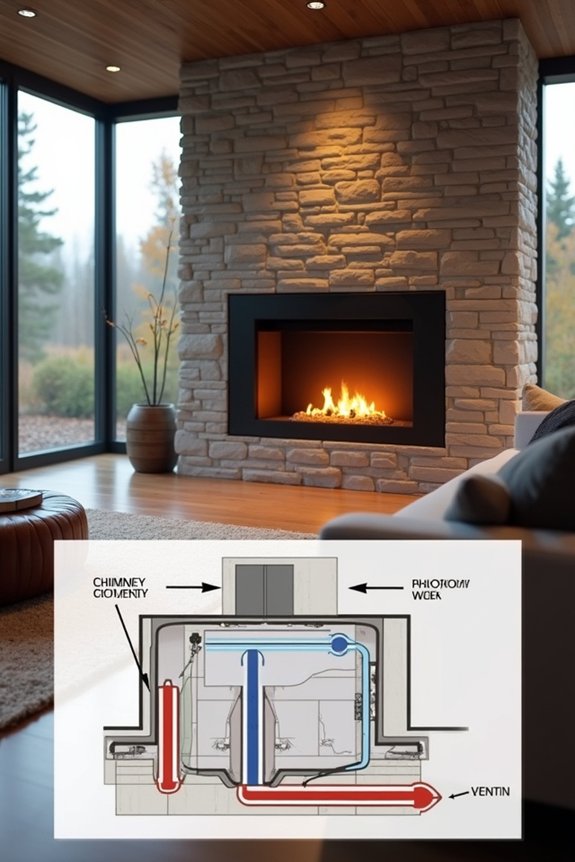
Several distinct venting systems exist for gas fireplaces, each with specific performance characteristics and installation requirements. Your venting options depend on your home’s structure, budget, and safety priorities. Understanding what works best for your situation requires evaluating these systems.
| Venting Type | Key Feature |
|---|---|
| Direct Vent | Sealed flue pulls outside air, exhausts through roof or wall |
| Power Vented | Electric fan extends installation to tight spaces |
| Class A/B Vent | Metal double-walled pipes offer affordable alternative to chimney |
| Ventless | Recirculates indoor air; requires careful CO monitoring |
| Traditional Chimney | Masonry option; highly effective but expensive |
Direct venting pulls combustion air from outside, preventing indoor air depletion. Metal double-walled vent pipes cost less than masonry chimneys while maintaining adequate performance. Power-vented systems use fans to exhaust gases through existing pathways. Ventless fireplaces recirculate heated air but demand proper interior ventilation and carbon monoxide awareness. Your choice determines installation complexity and long-term operational safety.
Class A Flues vs. B-Vents for Gas Fireplaces: Which Is Right for You?
When you’re selecting a venting system for your gas fireplace, you’ll encounter two primary options: Class A flues and B-vents, each offering distinct performance characteristics and cost implications. Class A flues feature superior insulation, larger vertical rise capacity, and better draft performance, while B-vents provide a more affordable alternative that exhausts combustion by-products through a single liner or pipe. Your choice depends on local building codes, installation budget, long-term durability expectations, and whether your fireplace demands maximum venting efficiency.
Class A Flue Characteristics
Why does your venting choice matter so much for a gas fireplace? Your selection directly impacts safety, efficiency, and long-term performance. Class A flues represent the premium venting option for gas fireplaces, delivering superior durability and heat resistance compared to alternatives.
Class A flue systems offer these key advantages:
- Rigid, dedicated chimney construction that channels combustion by-products safely outdoors through separate external vents
- Superior heat resistance and reduced heat loss throughout the venting pathway, maximizing efficiency
- Strict code compliance requirements, ensuring installation meets professional standards and safety regulations
Class A flues are worth the investment if you prioritize quality venting. The installation requires more planning and structural consideration than budget alternatives. However, the extended lifespan and enhanced performance justify the upfront cost for homeowners who value reliability and safety.
B-Vent Functionality And Benefits
B-vents function as a more economical venting alternative for gas fireplaces, using a single-wall or double-wall pipe to exhaust combustion by-products directly outdoors. They are practical for budget-conscious installations because they cost significantly less than Class A systems. The B-vent design operates through natural convection, moving hot gases upward and out of your home efficiently.
B-vents require simpler installation compared to their Class A counterparts. They accommodate most standard fireplace models without extensive modifications. However, B-vents offer less sophisticated draft control than Class A flues. This means slightly greater heat loss occurs during operation.
The affordability factor makes B-vents attractive for many homeowners. They are reliable, functional, and meet local codes in most applications when properly sized and installed.
Choosing The Right System
Now that you understand how B-vents operate and their cost advantages, you’ll need to compare them directly against Class A flues to determine which system suits your installation.
Your choice between these venting systems depends on several key factors:
- Run length and configuration – Class-A flues perform better over longer distances, maintaining efficiency where B-vents experience greater heat loss
- Local code requirements – Installation compliance varies by jurisdiction; verify regulations before selecting your system
- Budget constraints – B-vents cost less upfront, while Class-A represents a premium investment in durability
Acucraft installers assess your specific project needs to recommend the appropriate option. Class-A flues provide superior safety and longevity for demanding installations. B-vents deliver reliable performance at lower cost for standard applications. Both systems, when properly installed, safely exhaust combustion by-products outdoors and meet essential safety standards.
Installation Requirements Without a Traditional Chimney
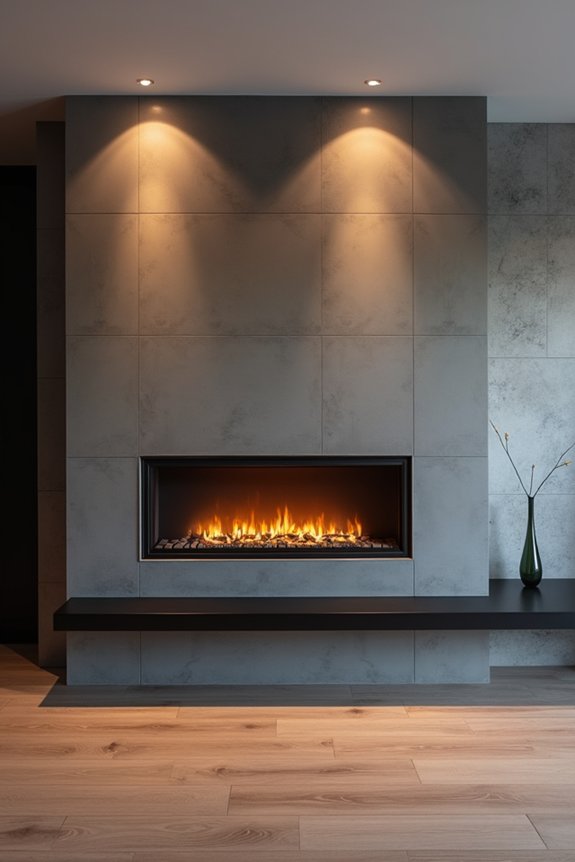
How can you install a gas fireplace without a brick chimney? Direct-vent systems offer a practical solution. These modern venting systems exhaust combustion gases directly outside through wall or roof penetrations, eliminating traditional chimney dependence.
Direct-vent gas fireplace systems exhaust combustion gases outside through wall or roof penetrations, eliminating traditional chimney dependence.
Metal double-walled vent pipes serve as affordable chimney alternatives when masonry isn’t available. Class A flue or B-vent systems provide reliable outdoor exhaust pathways for most gas models. You can integrate gas fireplaces into existing chimneys without utilizing them structurally, using these alternative venting methods instead.
Vent-free models present another option, though they recirculate combustion byproducts indoors. This approach demands robust interior ventilation to maintain air quality and safety standards.
Local building codes regulate venting choices significantly. I recommend consulting a professional to assess your specific installation requirements, verify compliance, and optimize system performance.
Myths vs. Facts: Do You Really Need a Chimney?
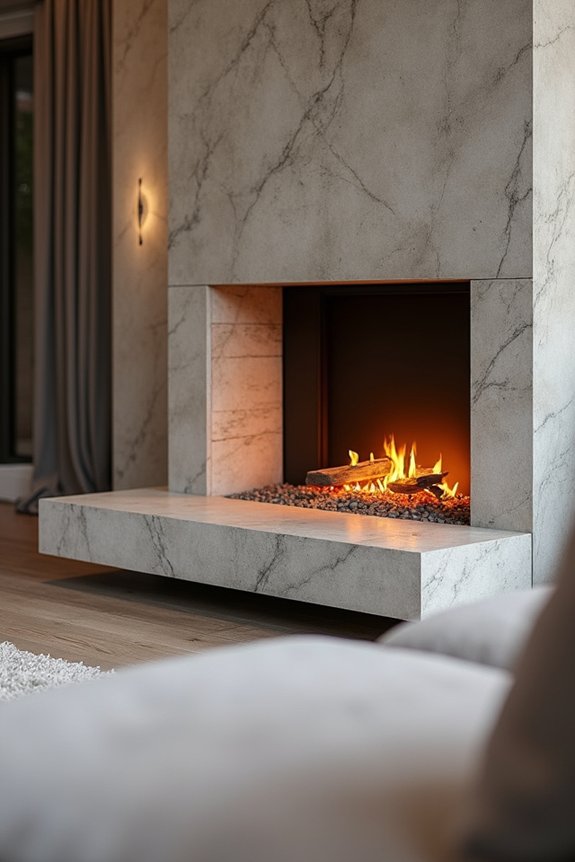
I need to clarify a common misconception: gas fireplaces don’t universally require traditional chimneys, though venting requirements depend on your specific unit type. Direct-vent systems pull outside combustion air and exhaust through sealed flues, while ventless models recirculate byproducts internally, each carrying distinct safety and code implications. Understanding whether your fireplace needs chimney infrastructure or can use wall vents, roof vents, or vent-free designs depends on knowing these operational differences and local building codes.
Ventless Models Don’t Require Chimneys
What sets ventless gas fireplaces apart from their vented counterparts is their fundamental design: they recirculate indoor air instead of exhausting combustion byproducts through a chimney. You don’t need traditional ventilation infrastructure, but you’ll still require proper systems. Here’s what you should understand:
- Built-in emission-minimizing mechanisms filter combustion byproducts before air recirculation occurs
- Local codes and safety guidelines still apply, regardless of chimney absence
- Regular inspections prevent pollutant buildup and maintain safe operation
Ventless models offer installation flexibility since you’re not tied to chimney placement or structural modifications. However, blocked airflow or inadequate maintenance causes odor and dust accumulation. You’ll need to commit to consistent cleaning and servicing. While these units eliminate chimney requirements, they demand the same safety vigilance as traditional fireplaces. Proper ventilation remains necessary for your home’s air quality.
Direct Vent Systems Need Venting
Although direct vent gas fireplaces eliminate the need for traditional chimneys, they still require a sealed vent pathway to the outdoors. Direct vent systems without chimneys are not maintenance-free alternatives. They demand professional installation through exterior walls or roofs, pulling combustion air from outside while expelling exhaust directly outdoors.
| Feature | Specification |
|---|---|
| Air Source | Outside environment |
| Exhaust Path | Sealed external duct |
| Installation Location | Wall or roof penetration |
| Safety Requirement | Annual venting inspection |
| Indoor Air Impact | Minimal contamination |
Direct venting provides safe, sealed operation without traditional chimney infrastructure. However, proper venting remains necessary. Schedule annual inspections to prevent gas buildup and verify your system operates safely. This maintenance protects your home’s air quality and your family’s wellbeing.
Common Misconceptions About Gas Fireplaces
Now that you understand direct vent systems require sealed external pathways, it’s worth addressing the widespread confusion surrounding gas fireplace venting requirements. Many homeowners believe chimneys remain mandatory, yet modern installations offer flexible alternatives. Let me clarify the primary chimney misconceptions:
- Vent-free models eliminate exterior venting entirely by recirculating indoor air, though they demand rigorous carbon monoxide monitoring and proper room ventilation to maintain safety standards.
- Direct-vent systems draw combustion air from outside, preventing interior air depletion while exhausting byproducts externally through dedicated ducts.
- Class A or B-vent flues and power-vent options provide code-compliant alternatives that bypass traditional chimney requirements entirely.
You’ll find that odors typically fade within hours of startup. These installations represent practical, engineered solutions meeting current building codes while delivering reliable heating performance and installation flexibility.
How to Inspect Your Gas Fireplace Venting System
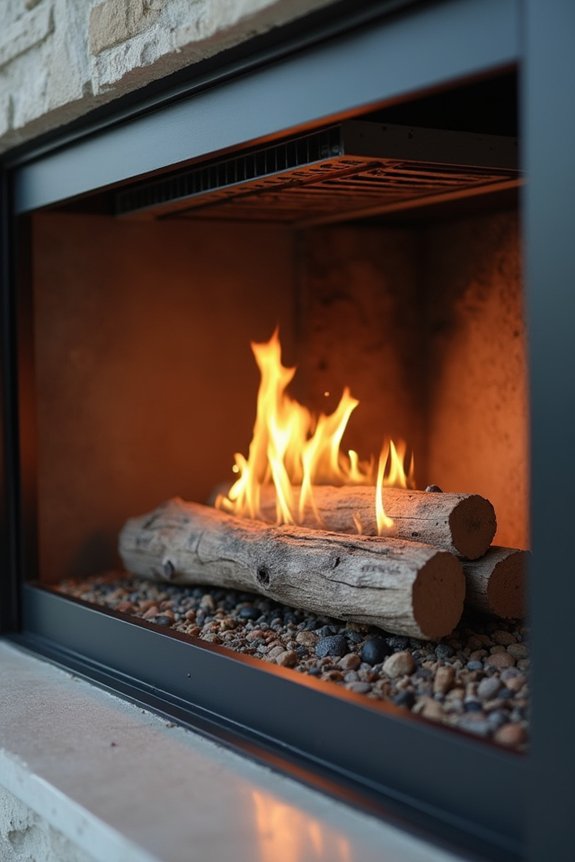
Regular inspection of your gas fireplace’s venting system prevents dangerous carbon monoxide and nitrogen dioxide accumulation in your living space. I recommend seasonal inspections, particularly for exterior vents where leaves, dirt, debris, and animals obstruct airflow.
Regular inspection of your gas fireplace’s venting system prevents dangerous carbon monoxide and nitrogen dioxide accumulation in your living space.
For direct-vent models, verify both outside vent openings and air intake remain unobstructed and sealed properly. Check that all connections are secure and free from gaps or deterioration.
If you operate a vent-free fireplace, monitor indoor air quality closely since these units recirculate combustion by-products inside your room. Regular ventilation integrity checks are necessary.
You should contact licensed professionals like J.A. Bertsch for comprehensive servicing. They offer 24/7 installation, repair, and maintenance services so your venting system functions safely and efficiently throughout the year.
Annual Maintenance and Cleaning for Vented Systems
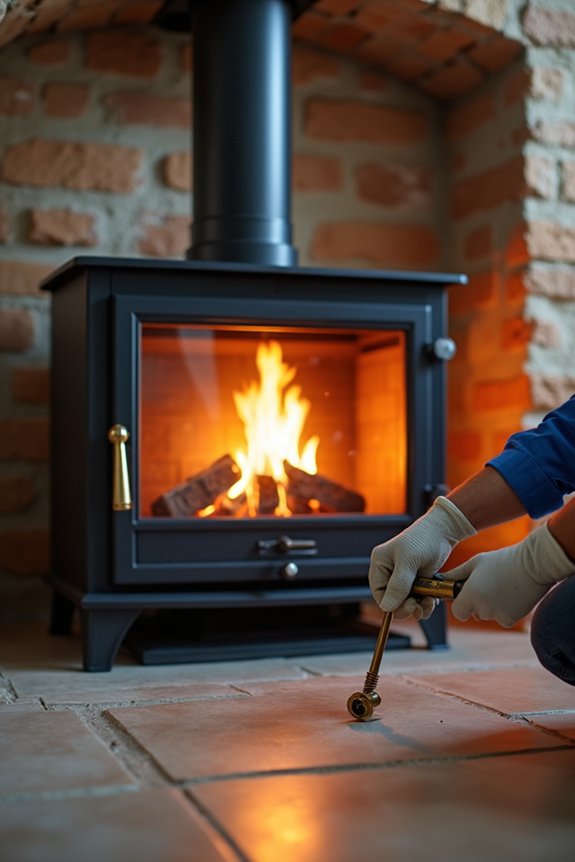
How often should you schedule professional chimney sweeps for your gas fireplace? I recommend annual inspections to maintain safe, efficient operation. Professional sweeps remove soot, debris, and blockages that accumulate over time.
Before any cleaning begins, I turn off the gas and ventilate the area thoroughly. This prevents gas exposure and eliminates dangerous fumes. Regular annual maintenance for gas fireplaces protects your household.
I monitor for these maintenance indicators:
- Reduced flame performance or uneven heating output
- Visible soot buildup on interior surfaces or glass doors
- Unusual odors or dust accumulation around the fireplace opening
Your chimney venting system requires seasonal inspections after performance issues arise. This maintains proper exhaust flow and prevents carbon monoxide buildup. These preventive measures keep your gas fireplace operating safely and reliably throughout cold months.
When Your Gas Fireplace Needs a Pro
I need to schedule a professional inspection if my gas fireplace shows performance decline—weak flames, uneven ignition patterns, or unusual odors indicate underlying venting or combustion issues. You should also call a licensed technician when exterior vents display visible obstructions like leaves, dirt, or animal nesting materials, since these blockages compromise safety and efficiency. A certified professional can verify your system meets Class A flue or B-vent requirements, confirm proper venting configuration, and assess whether repair or maintenance resolves the problem.
Signs of Professional Repair
When does your gas fireplace signal that you’ll need a licensed technician?
Several warning signs indicate you should schedule a professional inspection. Watch for these specific issues:
- Flame quality changes—weak, uneven, or yellow flames suggest venting problems or burner blockages requiring immediate attention.
- Persistent odors during operation point to gas leaks, clogged burners, or vent blockages that demand professional diagnosis.
- Pilot light failures—frequent outages or ignition problems indicate thermocouple, ignition system, or gas valve malfunctions.
Additionally, visible soot, debris around the fireplace opening, or increased dust accumulation signal combustion byproducts escaping improperly. These symptoms suggest ventilation or combustion issues needing professional repair. Schedule annual professional inspections to verify gas venting operates correctly, safety devices function properly, and connections remain secure. Addressing these concerns promptly protects your home and maintains safe operation.
Safety Inspection Requirements
Recognizing warning signs tells you when to call a technician, but understanding inspection requirements protects you year-round. I recommend scheduling annual professional inspections for your gas fireplace, including vent-free models. These venting inspections verify safe operation and detect blockages that compromise performance. A licensed professional checks for carbon monoxide buildup and nitrogen dioxide accumulation in your living space. They’ll examine external vents seasonally for leaves, dirt, debris, and animal intrusions. Your technician confirms local code compliance and proper installation. They’ll verify flame evenness, check for visible soot, and assess heating consistency. I suggest immediate service if hazards appear. Professional inspections provide documentation supporting your fireplace’s safe operation and your family’s protection.
Ventless Gas Fireplaces: Pros, Cons, and Safety
How do ventless gas fireplaces operate without external ducting? They recirculate indoor air directly into your living space, eliminating chimney requirements entirely. However, this design creates specific considerations you’ll want to understand.
Ventless units depend on built-in emission-minimizing mechanisms and proper interior ventilation to prevent carbon monoxide accumulation. Here’s what you need to know:
- Odors develop from dust, clogs, or airflow disruption—persistent smells indicate inspection needs
- Heat and moisture remain in your room, potentially affecting comfort in larger spaces
- Annual professional checks support safe operation and detect ventilation system issues early
Regular cleaning maintains optimal performance. You’re responsible for monitoring your unit’s airflow patterns. While ventless fireplaces offer installation flexibility, they demand consistent maintenance and awareness of your home’s air quality to operate safely.
Finding a Certified Installer and Staying Code-Compliant
Why you’ll need a certified installer matters more than you might initially think. A licensed, insured installer verifies your venting codes compliance and protects your investment. You’ll want to verify their state licensing, insurance coverage, and request references from previous clients. Request a written inspection documenting existing venting or chimney conditions. Your installer should handle permit applications and determine whether your system needs Class A flue or B-vent technology. Proper gas line sizing, clearance measurements, and ignition system setup require professional expertise. Every installation includes a post-installation inspection verifying safe operation. Carbon monoxide detectors on each level are required safety features. Ask for detailed written scope of work before signing agreements. This documentation protects you and confirms all components meet local regulations.
Getting Your Gas Fireplace Serviced by Certified Professionals
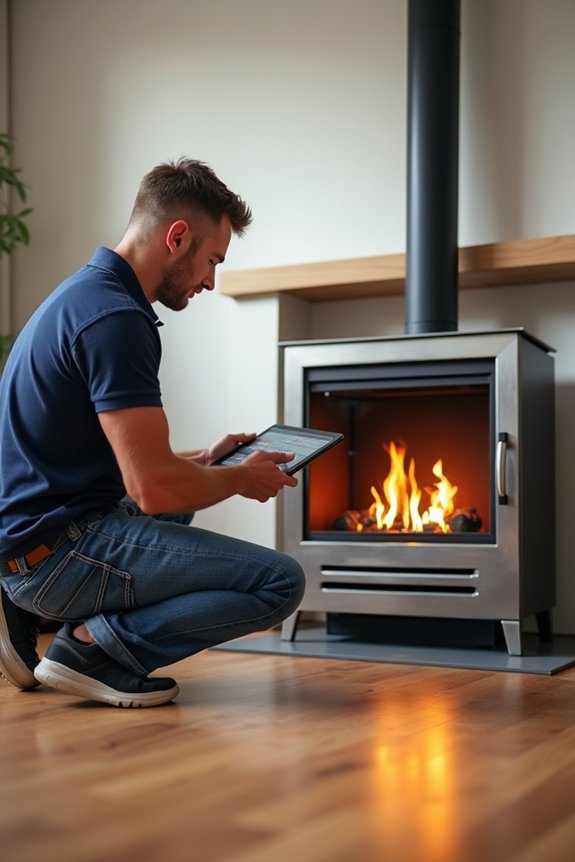
Once your gas fireplace installation passes its final inspection, ongoing professional servicing becomes important to maintain safe operation and peak performance. You’ll want certified technicians handling your venting system, valves, pilot lights, and ignition components. Here’s what professional servicing includes:
Once your gas fireplace installation passes inspection, ongoing professional servicing with certified technicians ensures safe operation and peak performance.
- Annual chimney inspections and cleanings to remove blockages and debris from venting pathways
- Carbon monoxide assessments for vent-free models to prevent dangerous buildup in your home’s interior air
- System evaluations confirming your unit’s venting type—direct vent, B-vent, or Class A flue—and local code compliance
Professional servicing keeps your fireplace operating reliably. Services like AAA Timberline offer 24/7 licensed technician access for maintenance needs. Certification confirms technicians understand your specific venting configuration and can identify potential safety issues before they develop into problems.