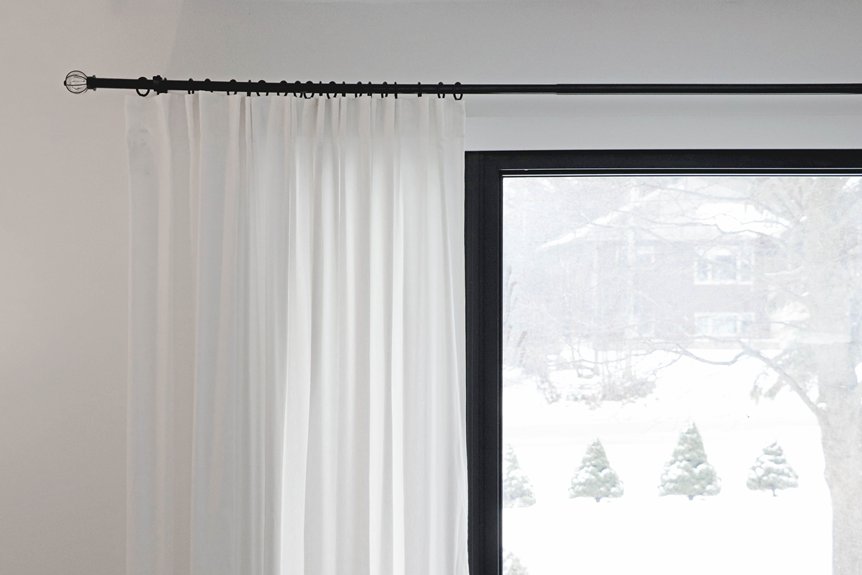
Rod pocket curtains thread a fabric rod through a sewn channel along the top edge, creating natural gathering and soft pleats without visible hardware. The 2.5-inch pocket depth accommodates standard rod diameters while fabric fullness—typically 1.5x the window width—determines pleat intensity. As you hang the panels, the rod’s weight distributes across the pocket, forming gentle folds that balance casual aesthetics with functional light control. Understanding pocket anatomy, fabric weight, and proper measurements reveal solutions for common issues like sagging and bunching.
What Are Rod Pocket Curtains?
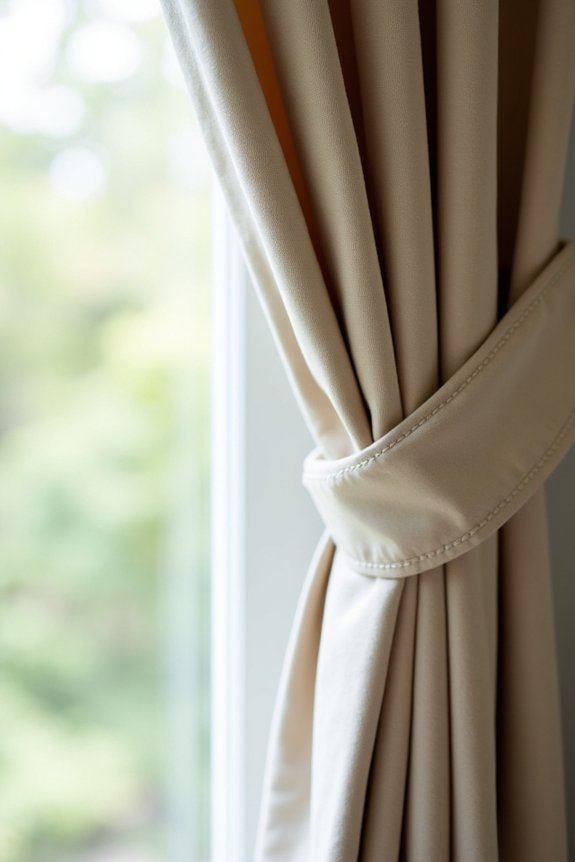
Rod pocket curtains function through a straightforward mechanism: a fabric channel sewn horizontally along the curtain’s top edge allows a drapery pole to slip directly through, eliminating visible hardware and creating a unified, fabric-forward appearance. The pocket typically measures approximately 2.5 inches wide. When you thread the pole through this channel, the fabric naturally bunches along it. This bunching produces subtle ruching and gentle pleats that characterize the rod pocket curtains aesthetic. The gathered fabric creates soft folds rather than crisp lines. This design emphasizes the fabric itself over decorative hardware. Rod pocket curtains work best with light-to-medium weight materials. They’re particularly suited for casual spaces aligned with rustic, cottage, or shabby chic design styles. The hardware-free look appeals to those seeking understated elegance through fabric gathers alone.
How Rod Pocket Anatomy Affects Draping and Fit
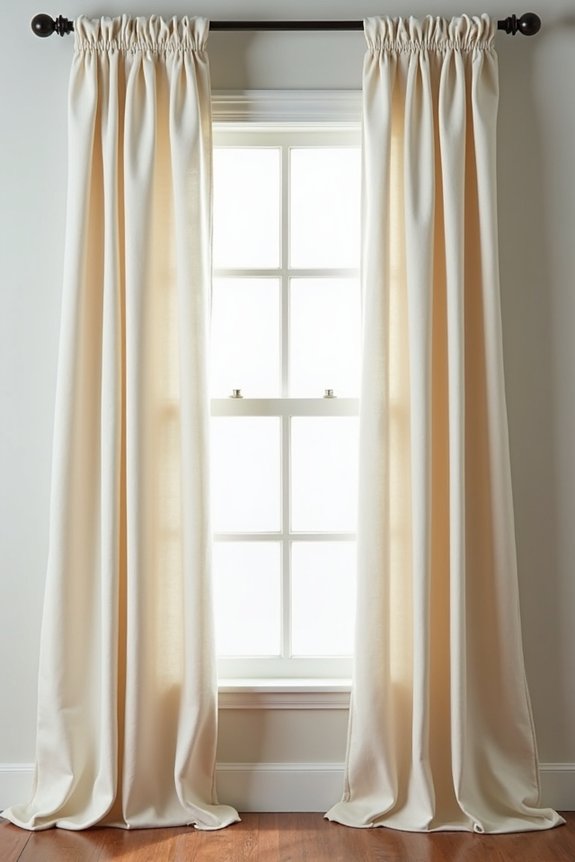
The 2.5-inch pocket size directly determines how your fabric gathers and bunches along the rod. Your header style—whether it sits flush or creates soft folds—fundamentally shapes the drape’s overall appearance and movement capabilities. Together, these anatomical elements establish how your curtains hang, drape, and respond to opening and closing.
Pocket Size and Fabric Gathering
How does pocket depth influence the way fabric gathers along your curtain rod? The standard pocket size of approximately 2.5 inches accommodates most curtain rods while controlling how tightly fabric bunches. This pocket depth directly determines your header’s appearance and the gathering distribution across the rod pocket.
Fabric fullness ratios—typically 1.5x—create the pleat depth you observe when fabric pools within the pocket. Increasing panel width increases gathering intensity without changing pocket dimensions. Conversely, positioning your rod differently within the same pocket adjusts fabric tension and visual density.
The pocket design simultaneously hides the rod and creates a smooth header. This architecture affects light blocking and privacy at the header level. Understanding these relationships helps you achieve your desired draping effect through informed fabric selection and rod placement decisions.
Header Style Impact On Drape
What you’re really controlling when you choose a header style is how your curtain fabric interacts with the rod pocket architecture itself. A header creates an upstanding frill above the pocket, adding vertical fullness that alters gathered folds. This extra fabric changes how your pocket curtains pool and how much the rod remains visible at the ends. The header style directly influences your overall drape by determining where fabric weight concentrates. Lighter fabrics yield delicate ruching near the header, while heavier fabrics create pronounced gathers and a denser silhouette. Without a header, the gathered folds begin immediately at the rod pocket opening. With one, you gain control over how fabric bunches and where visual interest develops. Header height determines the balance between casual relaxation and structured definition in your final installation.
How Rod Pocket Curtains Slide and Grip the Pole?
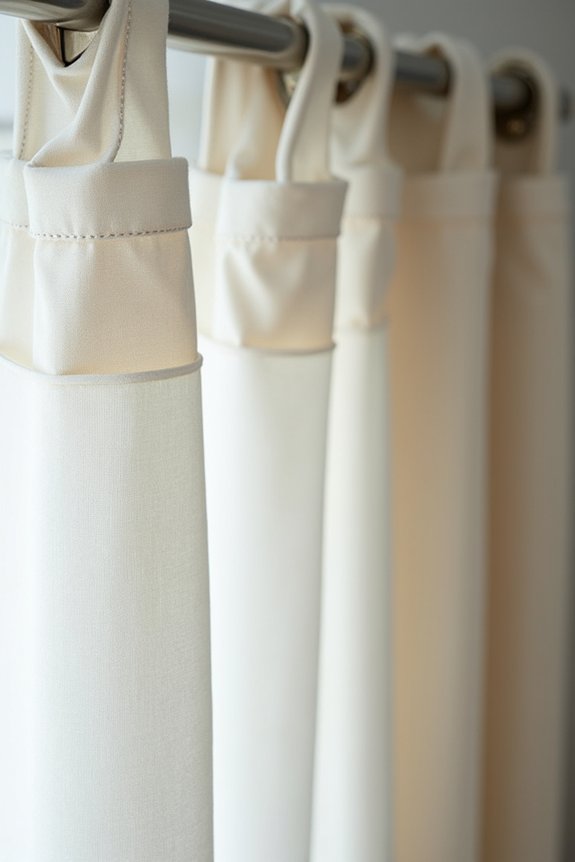
I’ll explain how the pocket construction directly impacts movement and stability. The rod slides through a sewn channel, and fabric gathering inside the pocket creates friction that prevents unwanted panel drift. Your curtains’ grip depends on pocket tightness, fabric weight, and how evenly the gathered folds distribute along the pole.
Pocket Construction and Fit
The mechanics of rod pocket curtains depend entirely on how the fabric’s sewn channel interacts with your drapery rod. I’ll explain the critical relationship between pocket construction and fit. Standard rod pocket sizing measures approximately 2.5 inches, accommodating most drapery rods without additional hardware. This pocket size provides secure positioning while allowing smooth gliding. The pocket construction directly influences how your panels hang and move. Panel fullness typically ranges from 1.5x for lighter applications, affecting how fabric gathers along the rod. Adequate curtain rod clearance prevents binding during operation. Quality rod pocket curtains incorporate reinforced stitching throughout the pocket’s length, distributing weight evenly. Some designs integrate rings or pin hooks along the pocket’s back, improving weight distribution and reducing friction. Understanding these specifications helps you select curtains that function properly within your space.
Fabric Gathering Mechanics
How does fabric actually move along your rod when you open and close rod pocket curtains?
The pocket opening width—typically 2.5 inches—directly controls how your panel slides and grips the rod. As you draw the curtain, friction between the fabric pocket and rod creates resistance that prevents unwanted sash-like movement. The gathered effect intensifies based on fabric weight and fullness, determining pleat depth.
- Lighter fabrics produce soft ruching with minimal grip resistance
- Heavier fabrics create deeper, defined pleats that increase friction
- The pocket acts as a continuous sleeve limiting lateral panel movement
- Minimal front-rod contact keeps the panel stable during operation
Understanding these mechanics helps you anticipate how your rod pocket curtains will perform. The pocket opening width, combined with your chosen fabric’s weight, determines both aesthetic pleating and functional slide resistance on your rod.
Why Rod Pocket Curtains Create Soft, Gathered Pleats?
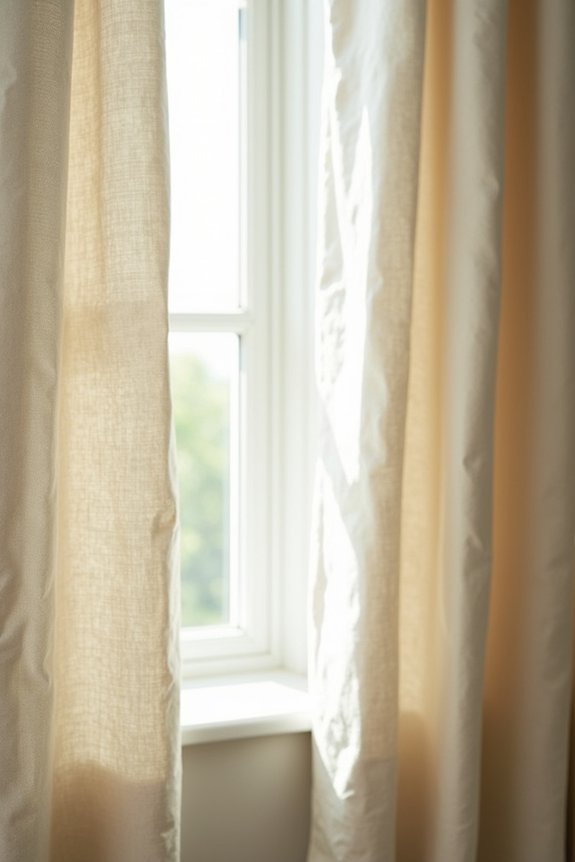
Rod pocket curtains create soft, gathered pleats through a straightforward mechanical process: fabric bunches as it slides over the rod inserted through the sewn sleeve. Understanding the variables helps you predict your results. The ruching you see depends on three key factors working together.
| Factor | Effect on Pleats |
|---|---|
| Pocket width | Wider pockets = looser gathers |
| Fabric weight | Heavier fabric = defined folds |
| Panel fullness | More fullness = pronounced ruching |
When you install the rod, fabric naturally compresses and creates irregular folds rather than sharp, tailored pleats. This happens because the gathers form organically as the material settles. The header variations—upstands or frills—also influence how fullness appears along the rod. These elements combine to produce that characteristic casual, relaxed aesthetic in your window treatment design.
Add Hardware for Smoother Operation
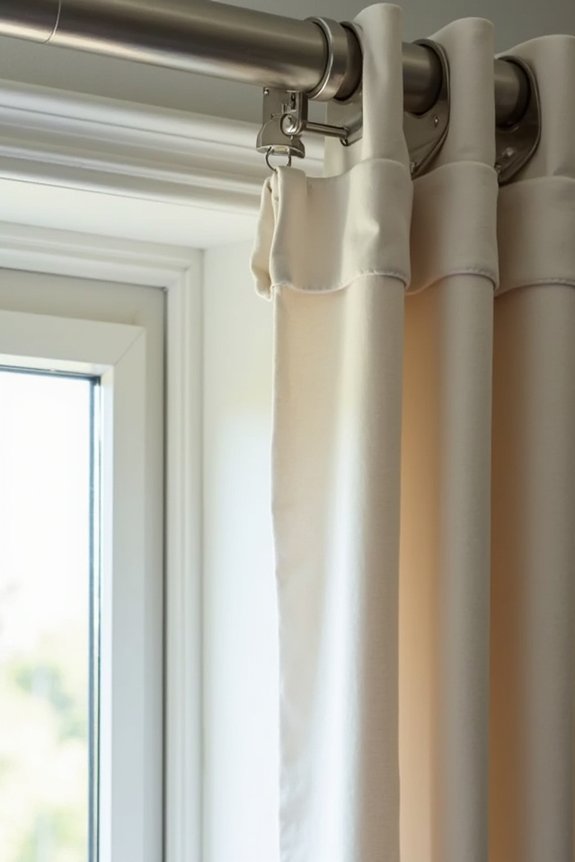
While rod pocket curtains operate smoothly as designed, adding hardware strategically enhances their function without compromising their casual aesthetic.
Incorporating rings and hooks addresses specific operational challenges. Here’s how you can optimize your setup:
- Select strong rings that support your curtain’s total weight without deforming or sliding along the rod
- Space rings evenly across the pocket’s width to prevent sagging between attachment points
- Position hooks along the panel’s back edge for targeted weight distribution and easier opening
- Match hardware materials—wood, metal, or acrylic finials—to your rod for visual consistency
These additions don’t alter your rod pocket’s design. Instead, they distribute weight more effectively, reducing friction during operation. The result? Smoother gliding action and extended curtain longevity. You maintain that gathered drape while gaining practical functionality.
Measure Your Window and Curtain Width
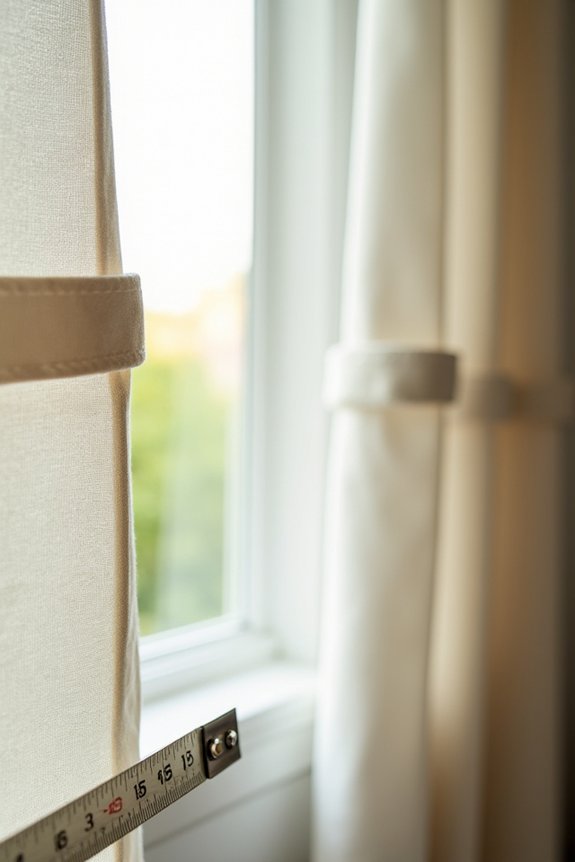
Taking accurate measurements of your window and curtain dimensions establishes the foundation for proper rod pocket installation. I’ll measure from casing to casing using a steel measuring tape, excluding trim and molding. Next, I calculate total curtain width by multiplying the rod diameter-adjusted fullness, typically 1.5x for rod pocket styles. The pocket size—standard at 2.5 inches—requires accounting in my fabric width calculations to prevent crowding. I determine rod placement height, then subtract my desired curtain length for proper drop and pooling effects. When layering with valances or sheers, I measure each layer separately, maintaining balanced pleats and consistent light control across all treatments.
| Measurement Type | Standard Size | Purpose |
|---|---|---|
| Pocket depth | 2.5 inches | Accommodates rod diameter |
| Fullness ratio | 1.5x width | Creates proper pleating |
| Drop length | Rod height minus desired length | Determines correct pooling |
Troubleshoot Sagging, Bunching, and Sliding
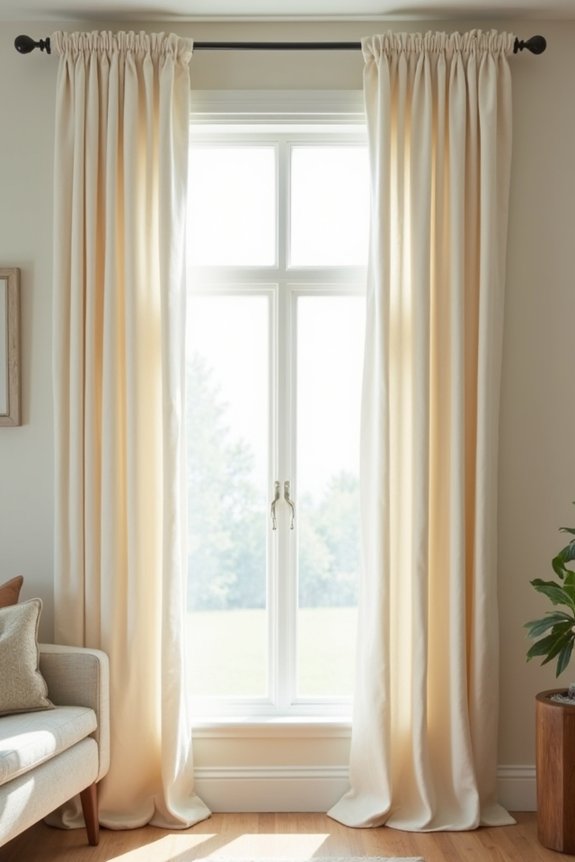
Even perfectly measured curtains can develop problems after installation, and understanding what causes sagging, bunching, and sliding helps you address these issues quickly. Identifying the root cause determines your best solution.
- Sagging occurs when rod pocket fabric exceeds the rod’s weight capacity or when the pocket’s oversized dimensions create downward pull and visible gaps.
- Bunching develops if you sew the pocket too loosely or use a rod diameter that’s too small, resulting in uneven gathers.
- Sliding happens with heavyweight fabrics or tight pocket seams, making panels stick at rod ends and resist movement.
- Fixes include upgrading to a larger rod diameter, applying evenly spaced rings for weight distribution, and re-stitching pocket seams to prevent stretching.
Regular maintenance—cleaning lint from pockets and verifying level brackets—reduces these problems over time.
Rod Pocket Curtains vs. Back Tab vs. Grommet
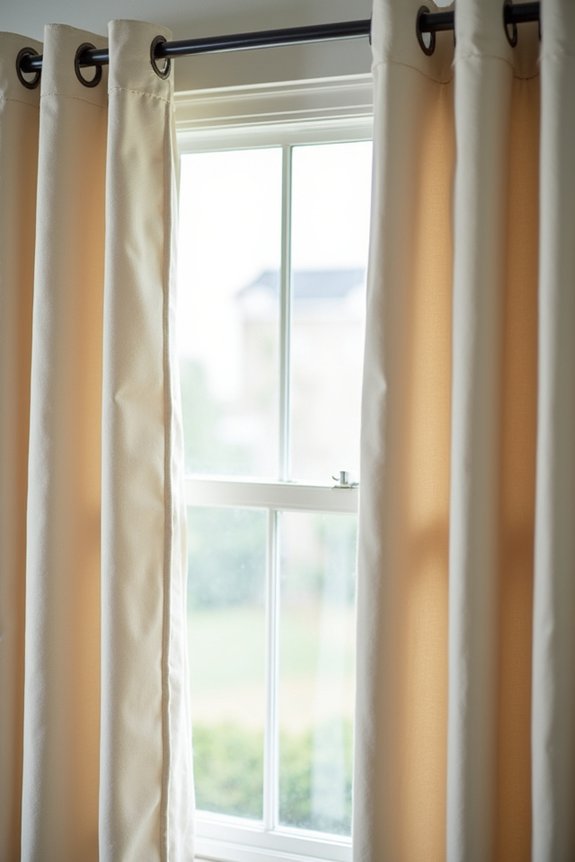
Once you’ve addressed sagging and sliding issues, you’re ready to consider which hanging method suits your space best. Rod pocket curtains slip the rod directly through pocket channels, creating soft, gathered pleats ideal for lightweight fabrics. Back tab curtains feature hidden loops on the curtain header, allowing the rod to pass through tabs that produce crisp, floating lines above the hardware. Grommet curtains embed metal or plastic rings throughout the header, guiding the rod through each opening to form evenly spaced pleats with visible hardware integration. Rod pocket designs offer casual aesthetics for layered setups or infrequent operation. Back tabs provide clean lines with improved weight distribution. Grommets deliver modern structure and smooth sliding capability, making them suitable for heavier fabrics and everyday use.